Sometimes the most spontaneous decisions are the best decisions.
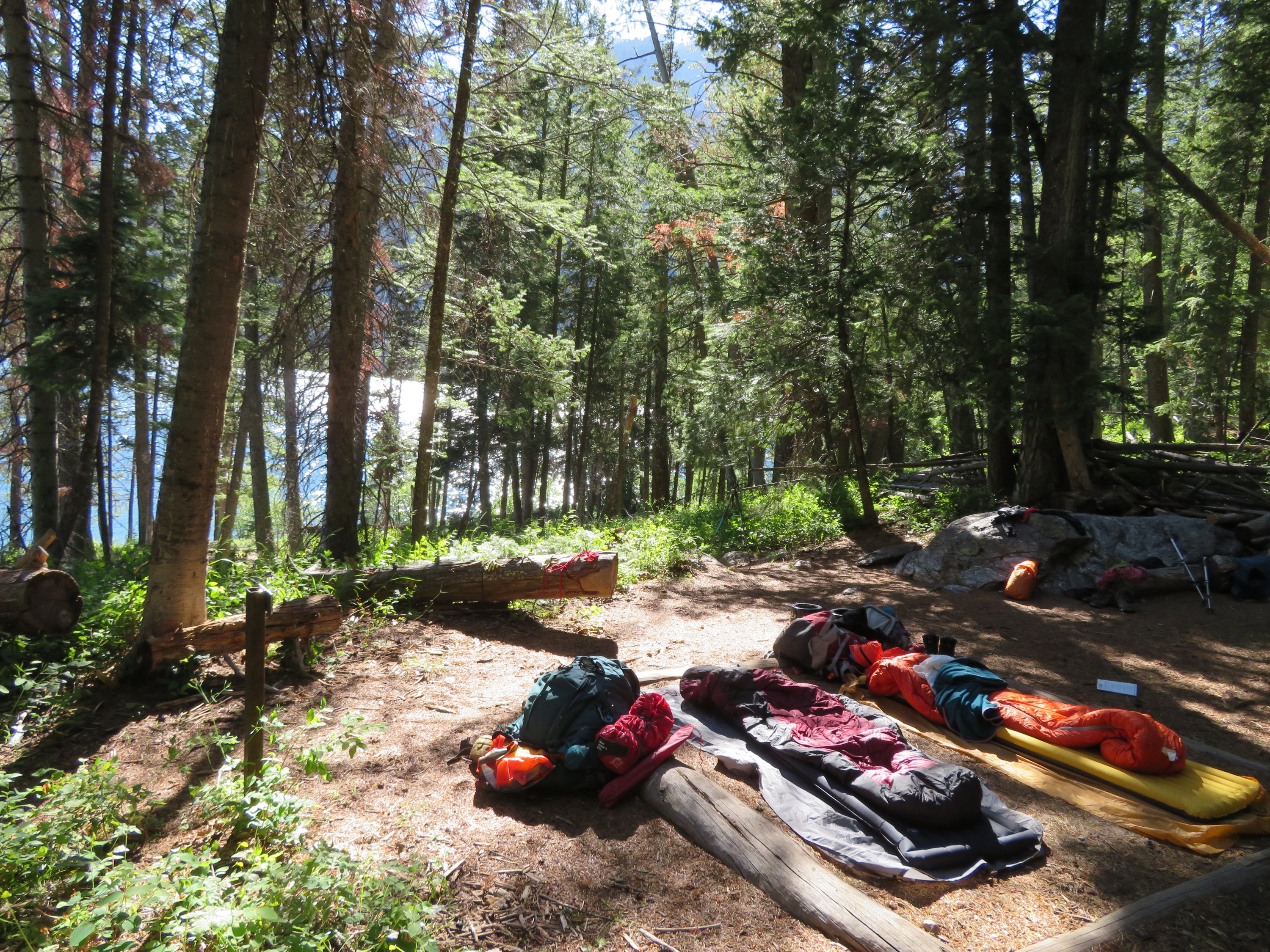
After showers, laundry and resupplying in Dubois we wanted to start our next hike in Yellowstone NP. With no public transport available we decided to hitchhike to the park. This being an area with many NP and national forests and therefore hikers we felt confident that we would find someone who would give us a ride. We made a big sign and started walking down the road. Many cars passed, big SUVs and pickups, RVs and trailers, even an old Cadillac. But none stopped or even slowed down. Until the smallest of them all passed, stopped and that is how we met Michael and Janice. They cleared their backseat and we squeezed in with our humongous backpacks. And quickly learned that both of them worked at Teton NP and were on their way there. As they told us all about the park we got totally intrigued. And spontaneously decided to go there first and to Yellowstone afterwards. So an hour later Michael and Janice dropped us at the ranger station of the park. Where we pretty much walked in and told the ranger that we had just decided to come, were totally unprepared what to expect, had no maps, but food for at least seven to eight days. Cody, the ranger, was extremely nice. He told us that we had just come to the right place and helped us map out a trail for several days. In some areas of the park there was still quite a bit of snow and we needed a permit to camp in the park, for which they had designatded areas and only allowed a small number of people to camp each night. But we finally worked it out and were set to go. Except the park also required for us to carry bear canisters to store food, toiletries and waste when camping. We got one each and knew that we weren’t going to fit everything in it… since we carried a lot of fresh fruit and vegetables as one of our main luxuries. What to do? Ideas like eating it all immediately or giving it all away of course weren‘t feasible. But we decided we would somehow manage. And as we left the ranger station were munching on a bag of carrots, gave away snacks as we got on the boat to cross the lake and did stop along the trail to finish off more food. We didn’t quite manage by the time we set up camp that night, despite cooking a big dinner as well, but packed the bear canisters as much as possible and risked leaving out all non smelly foods and things like tooth paste. Only by day three did we actually manage to squeeze everything into the canisters.
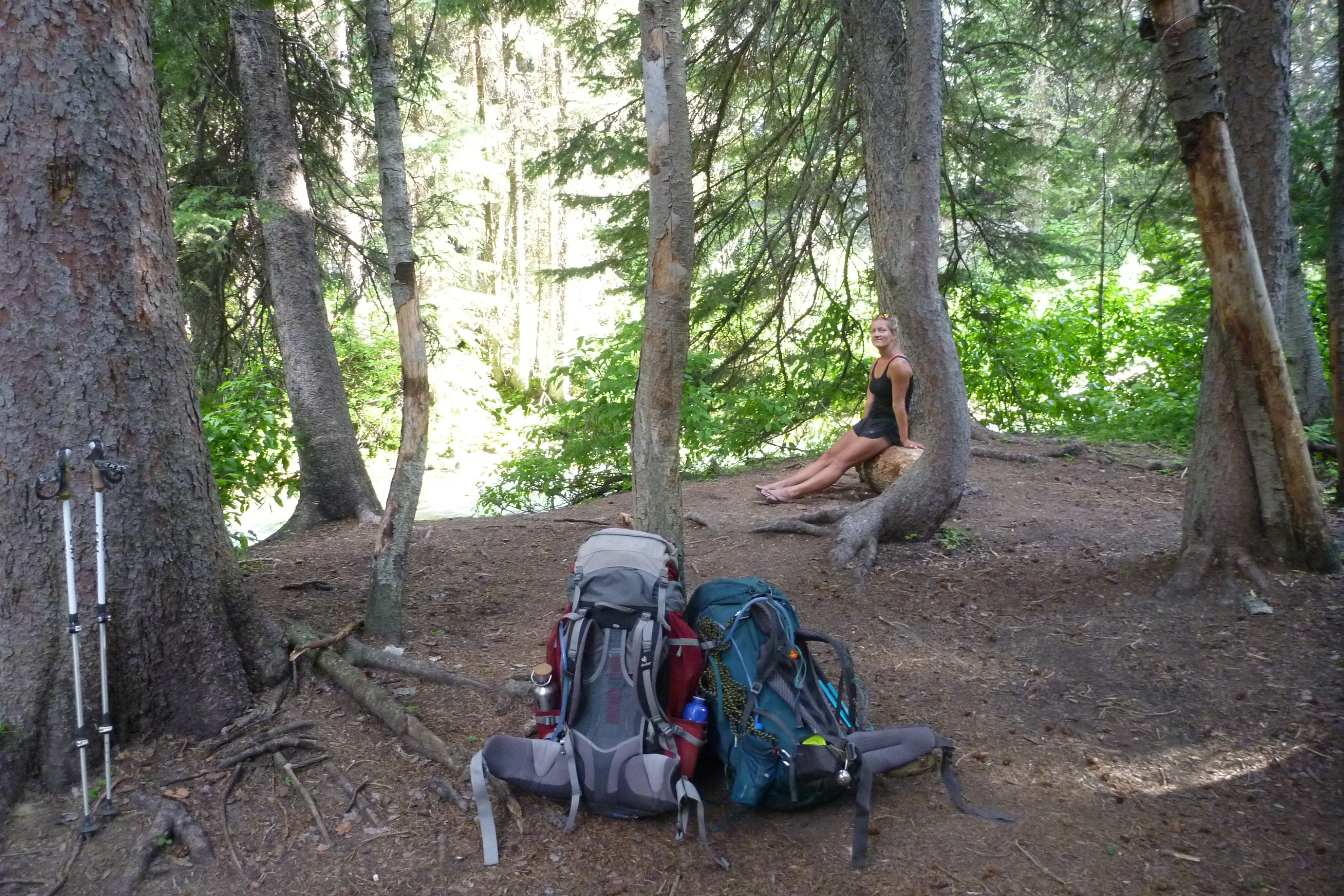
I guess it means that we either carry to much food, which we do, or that those bear canisters only cater for hikers that bring astronaut food. Most hikers of course can plan better since they arrive to the park in their cars and then pack for the hike only things they need and food for exactly the number of days they plan to hike. Which is usually less than what we had planned. Also we have to carry everthing with us as we can’t leave anything behind, which includes gear, food and any item that we own and brought for traveling for such a long time. And this time two bulky bear canisters on top of it.
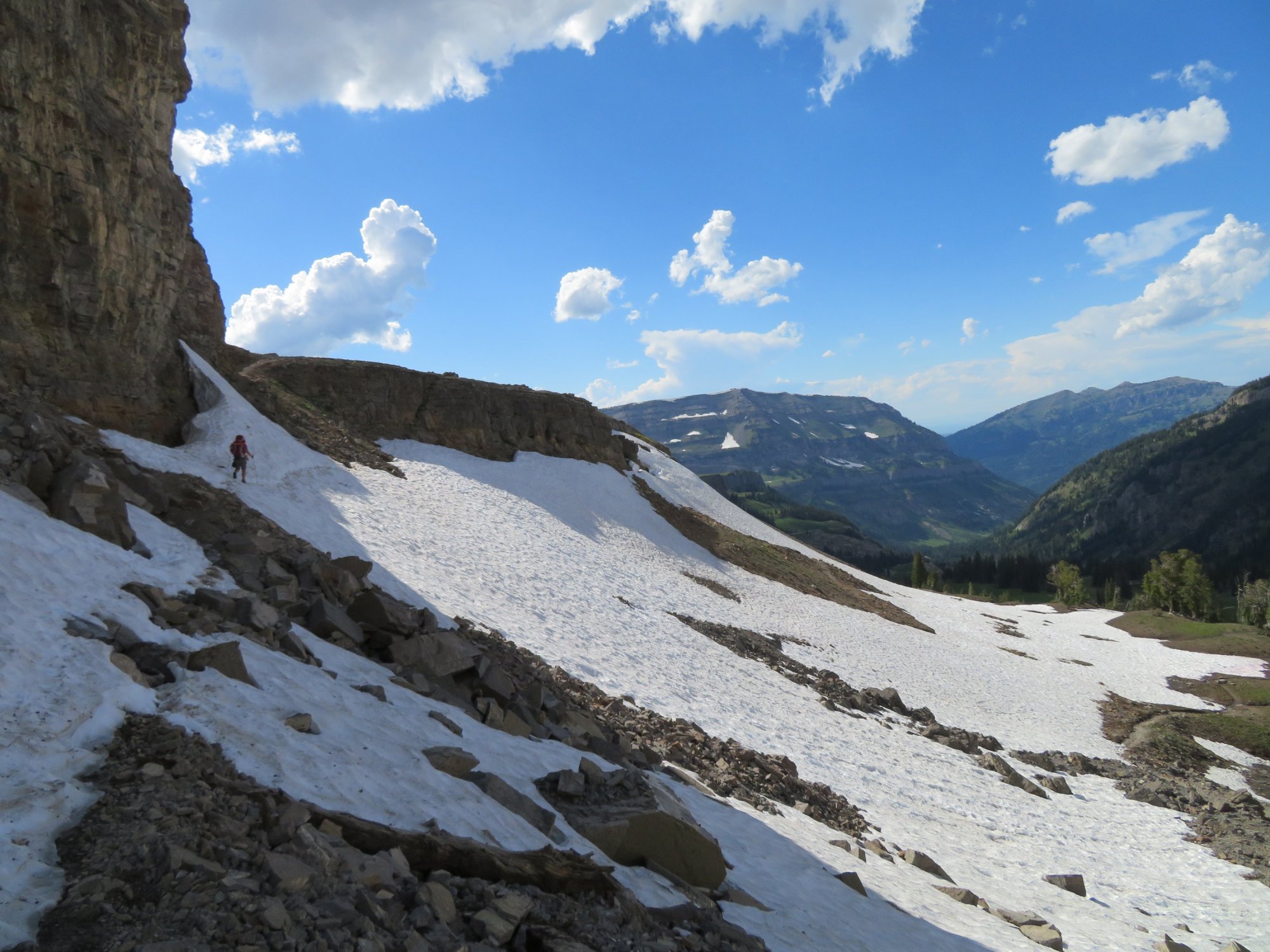
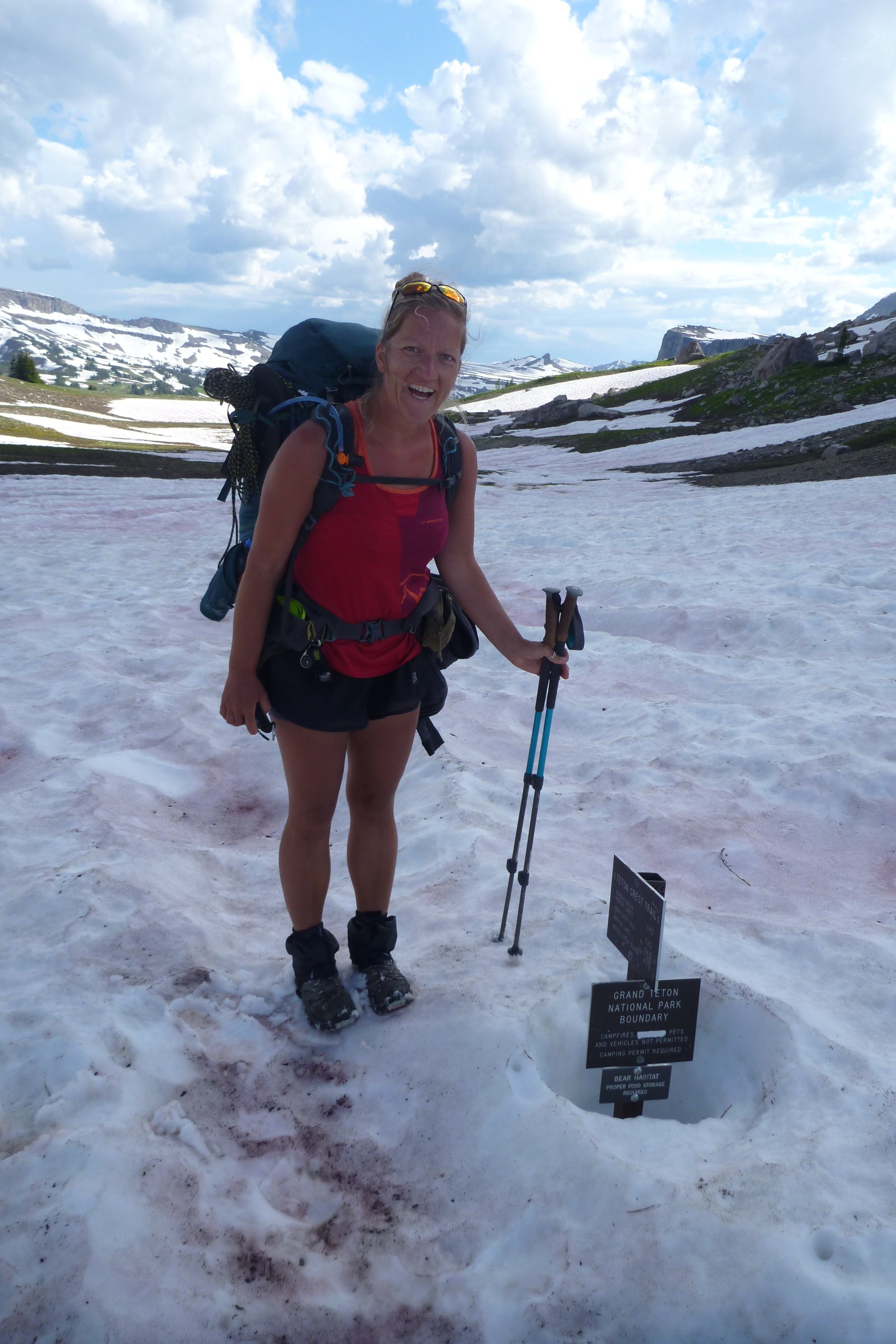
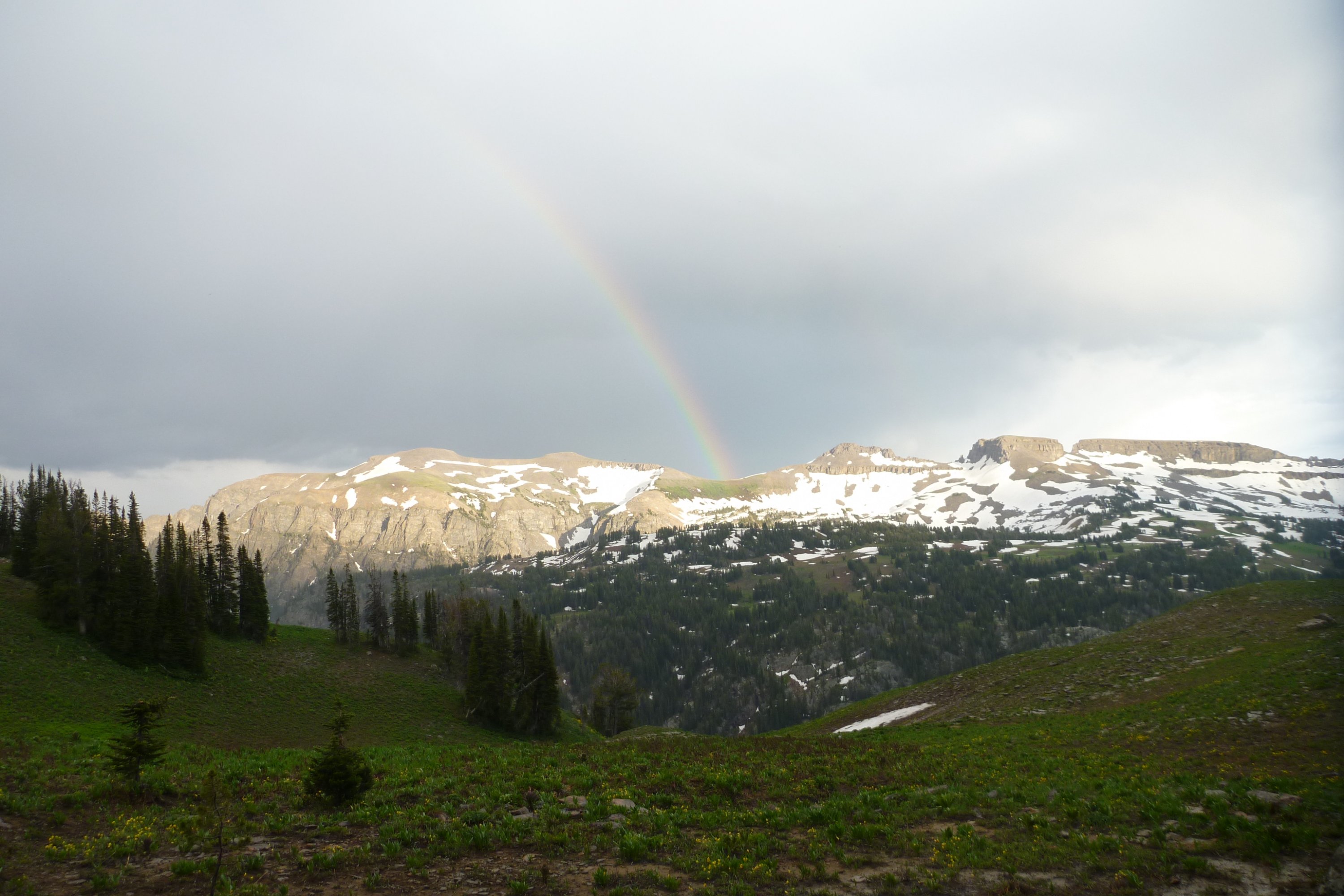
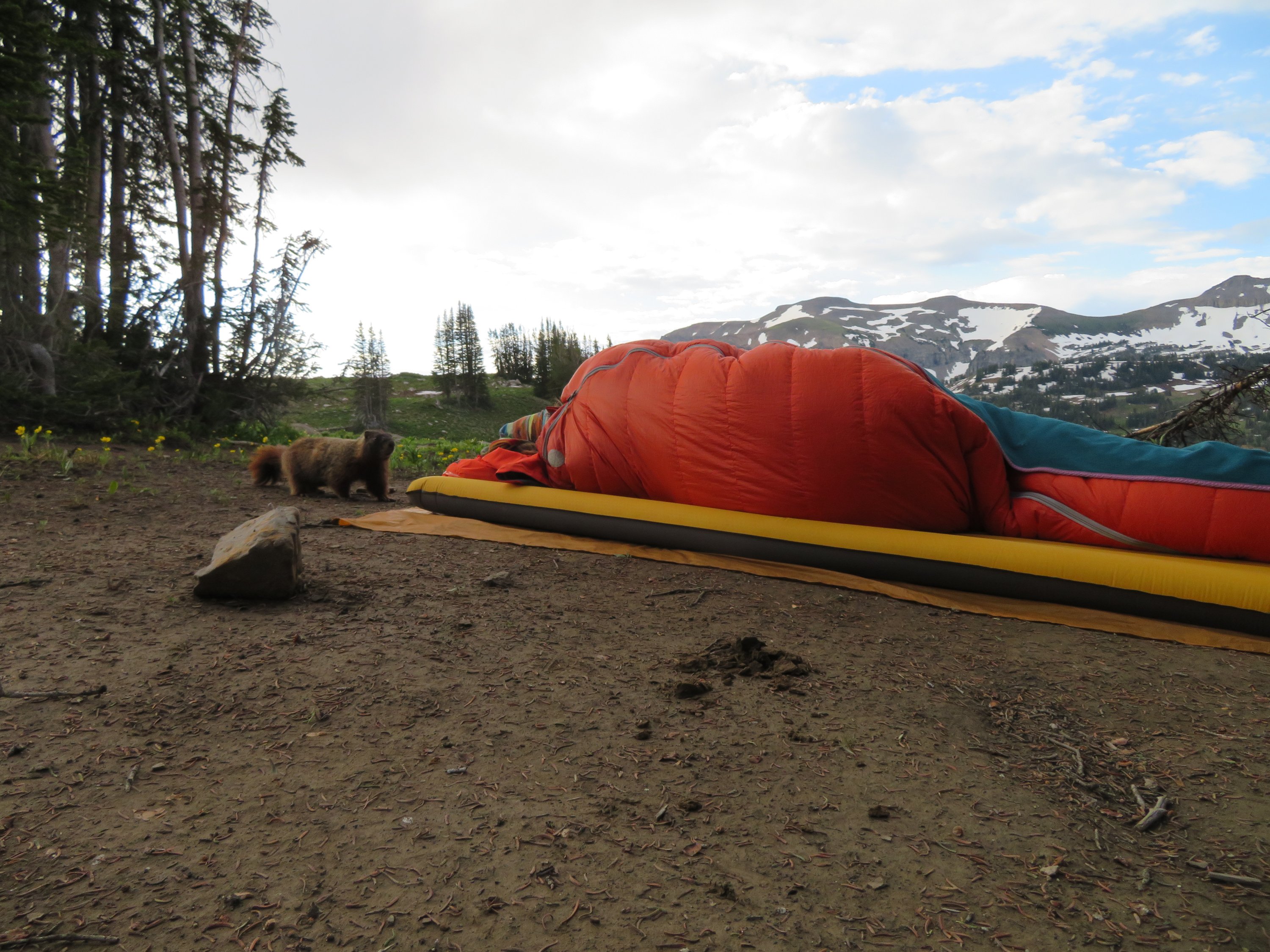
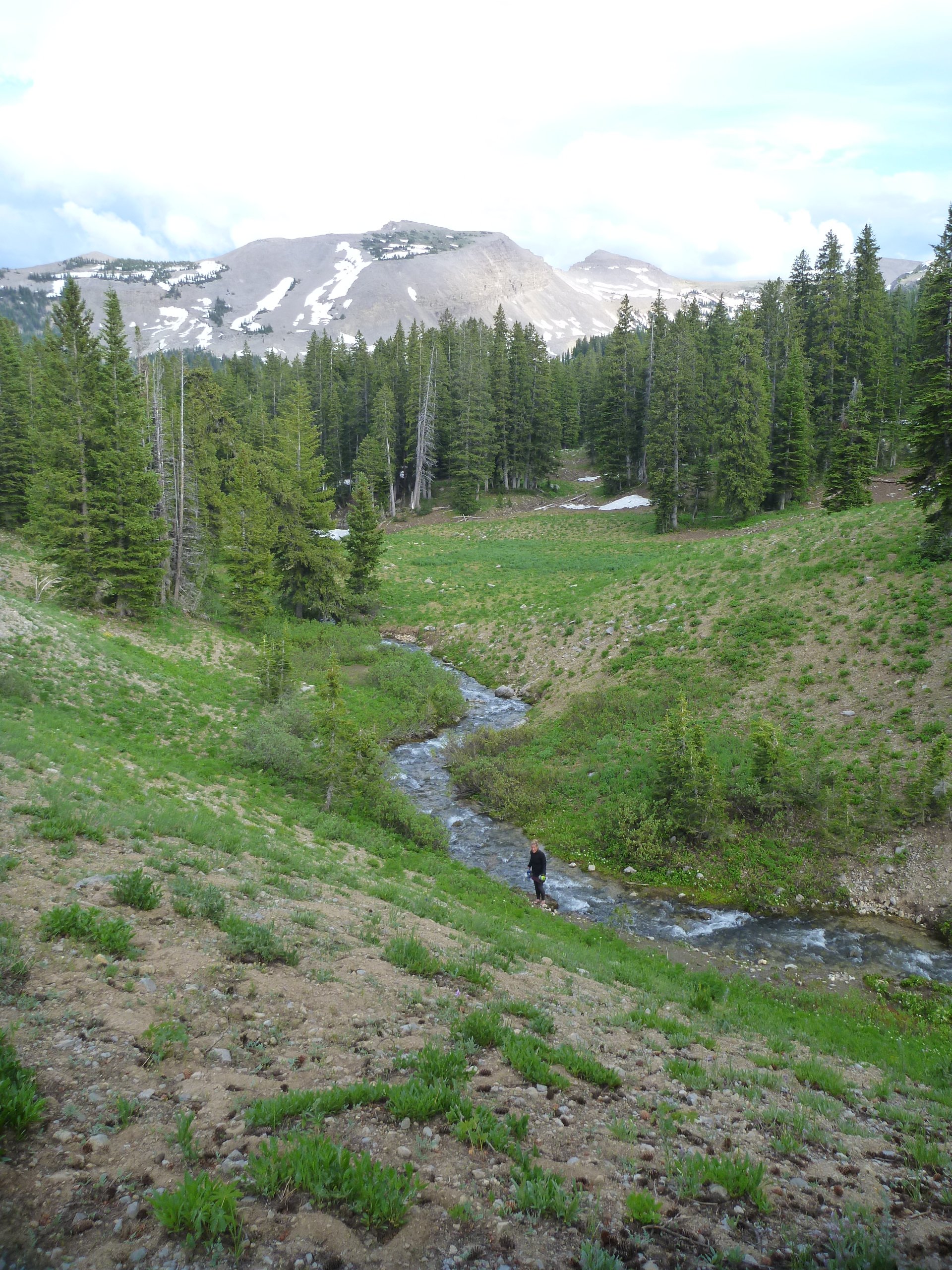
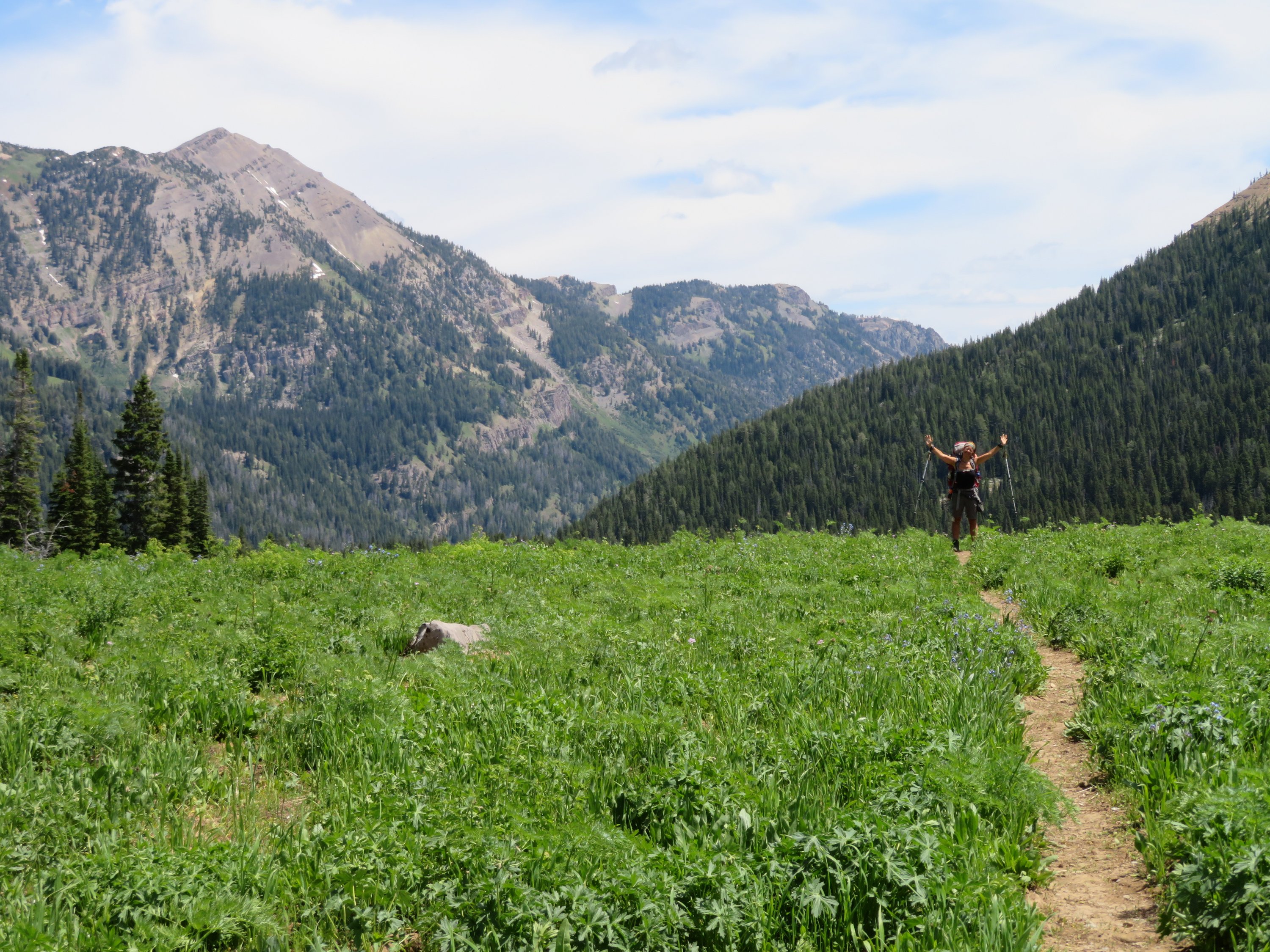
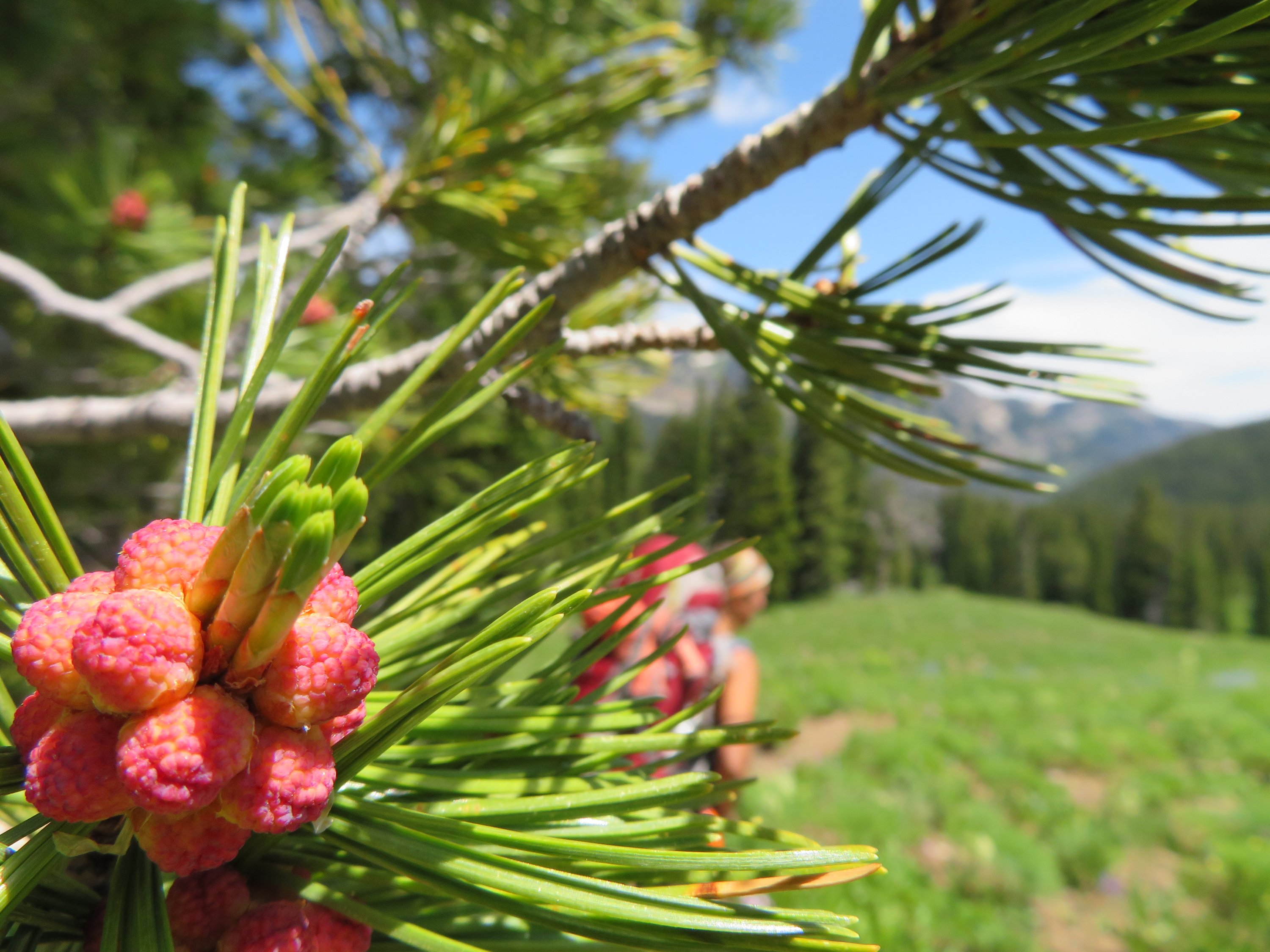
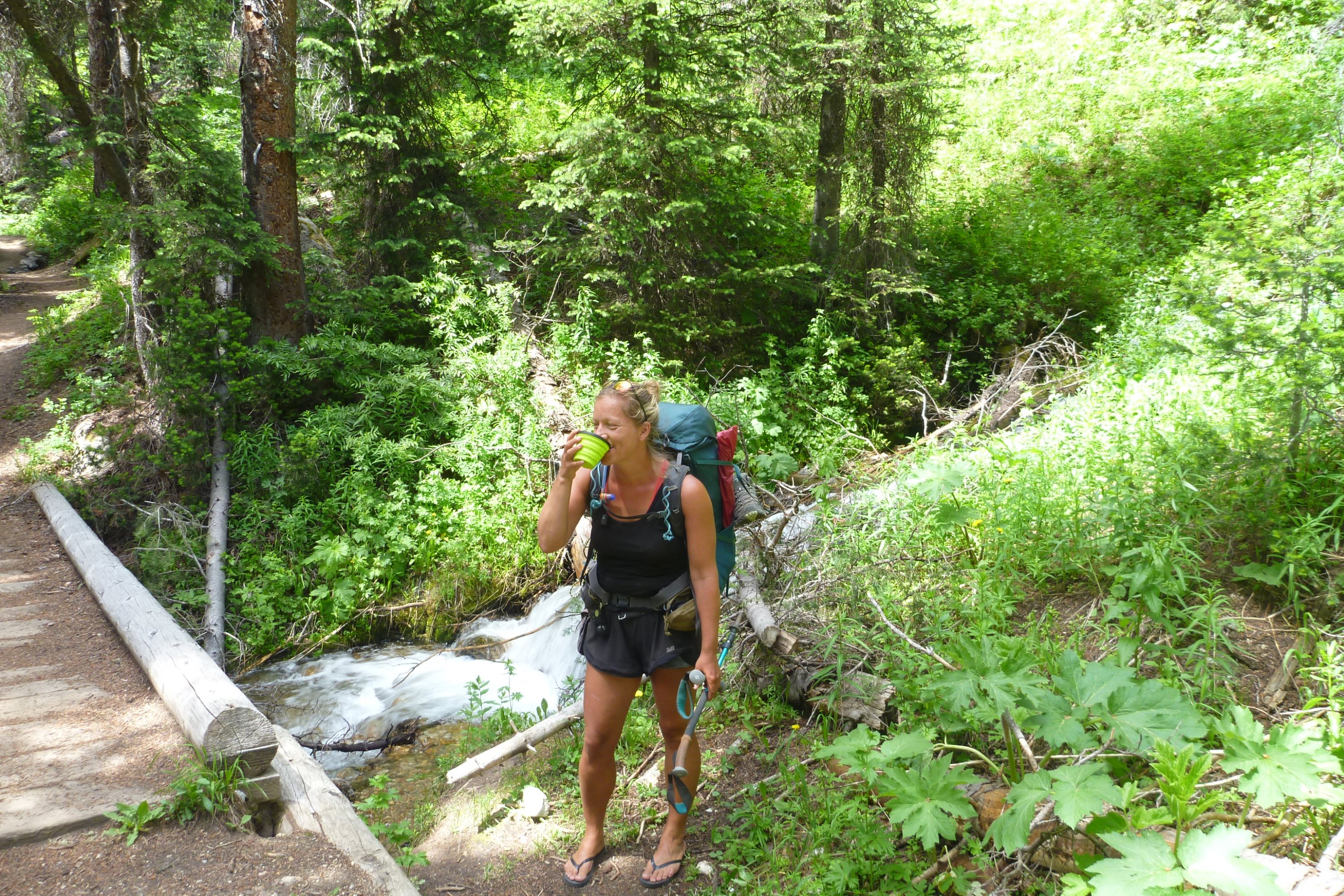
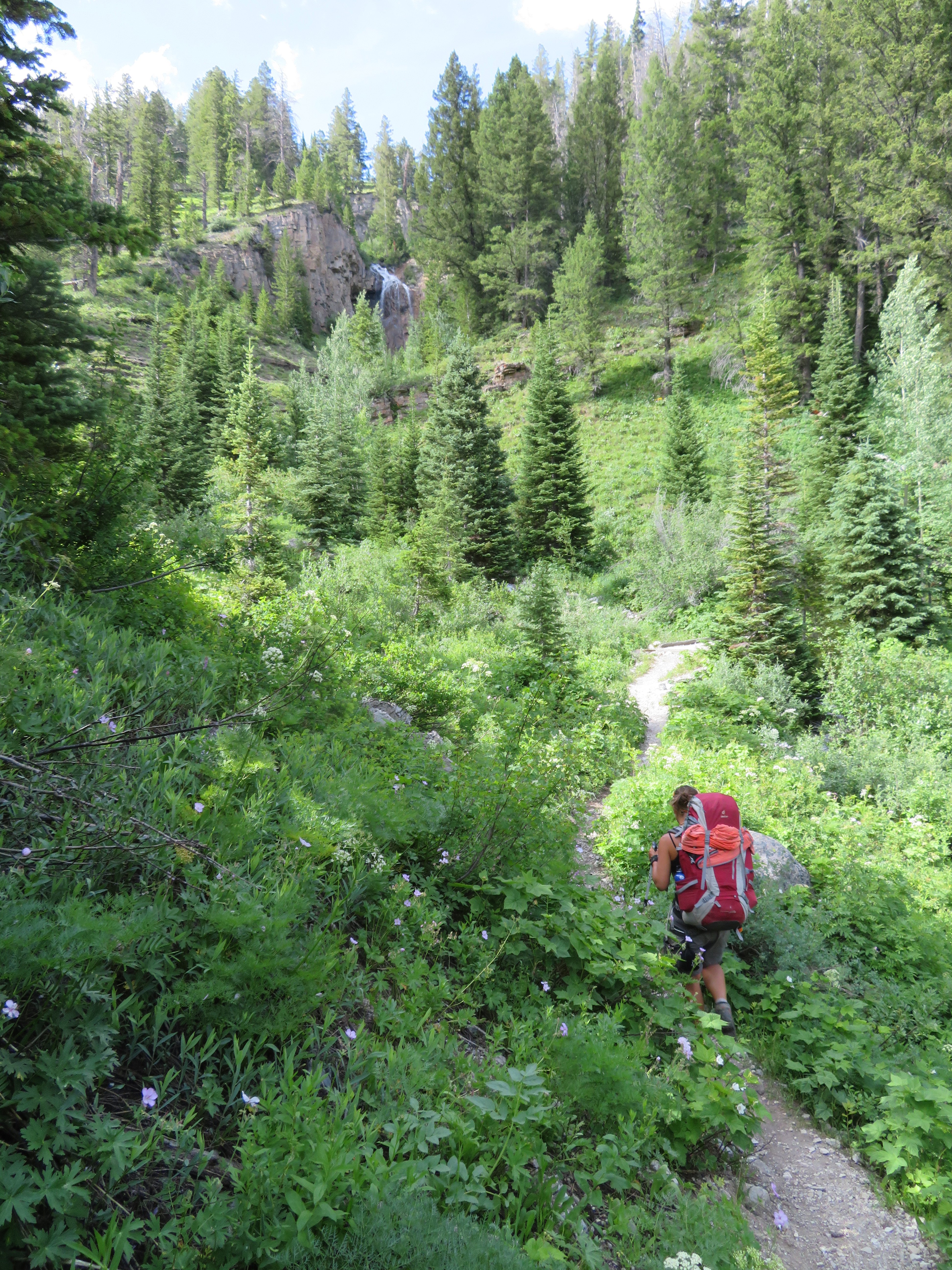
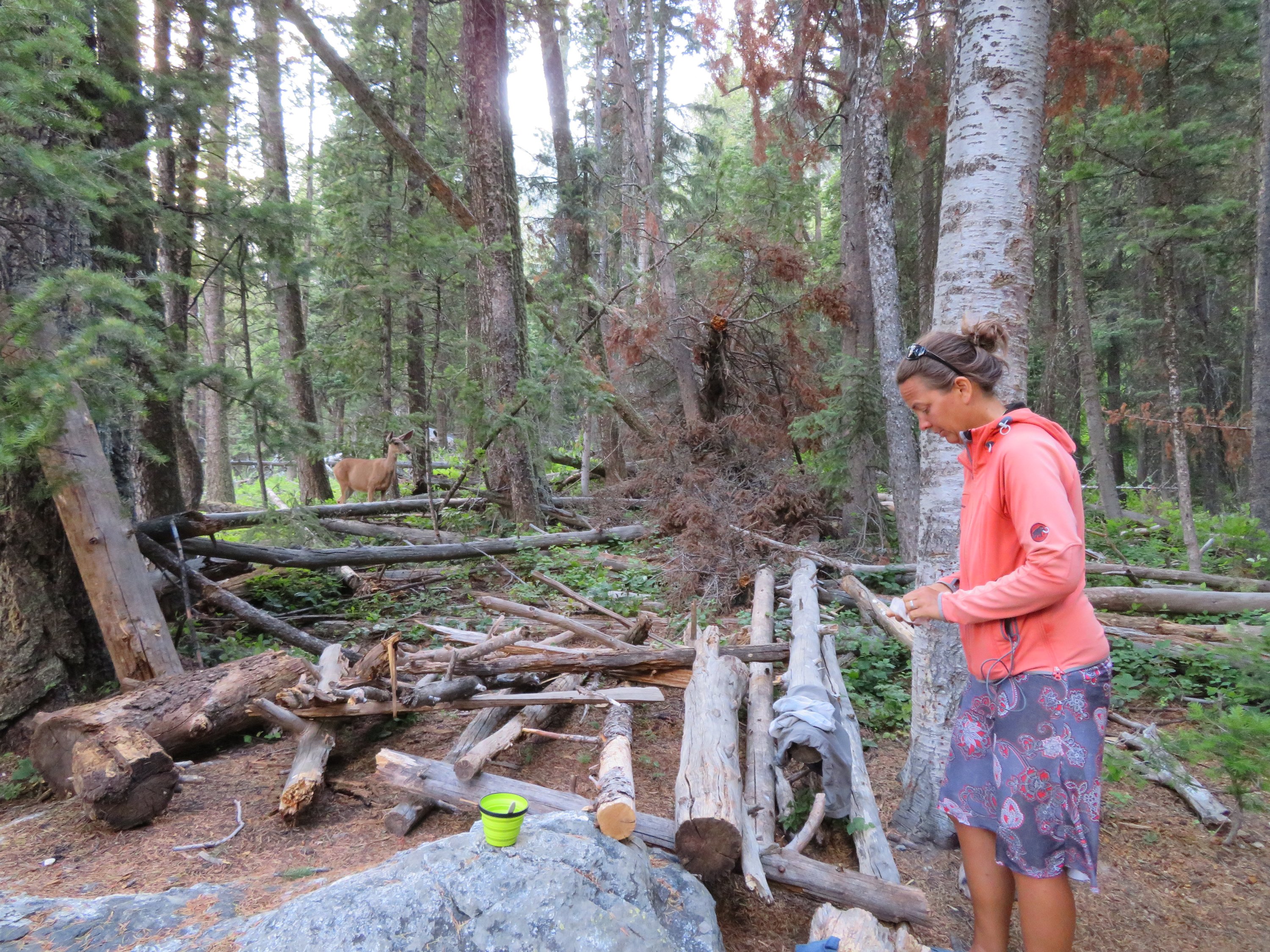
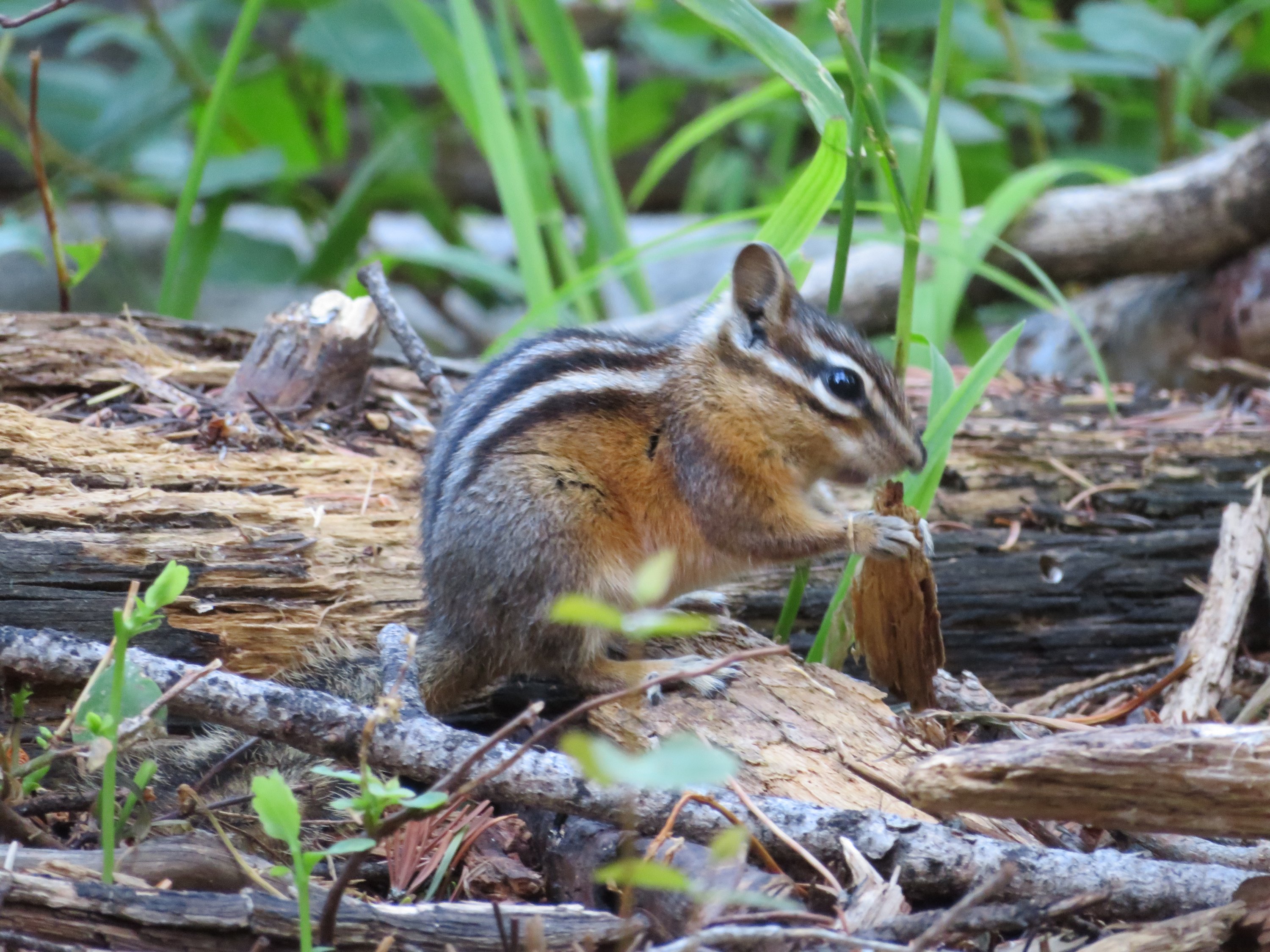
So fully equipped with cansiters, bear spray, bear bell and food for at least seven days we started our hike. The first part felt like weaving through tourists as it is a busy time of the year. But after a couple of touristy spots, like a waterfall and a view point, we quickly left them behind us and hiked up the first canyon. Generally we met way more people on the whole hike than we did in Wind River. Some days more than others but after all it still felt extremely remote and wild. We spent seven days in the park and the trail we chose would first take us up Cascade Canyon all the way to Hurricane Pass. Probably our most difficult section because just as we were on our ascend to the pass extremely strong winds, hail and rain started that felt ice cold and at times like it was going to blow us over. But we made it to the pass and were lucky because the moment we reached the top the sun came out again. I quickly changed into dry clothes and we hiked down into the Alaska Basin, again with some wind and rain, but when we arrived the sun came back out and we managed to put up the tent and get dry and warm. The next day we continued through the Alaska Basin. Where we encountered lots of snow fields. When the ranger told us that there was still quite a lot of snow up there I wasn’t too excited. But although most of the days we had to cross snow fields continously it was different here compared to the Wind River because the snow was not as deep and relatively hard. Which made it easy and with that even fun to hike across the snow. The challenge with the snow this time was that the many of the snow fields were still very large that the trail wasn’t visible anymore. Often we could follow the foot steps of the others. But a couple of times we lost the trail and then had to search for it again. And in the Alaska Basin we actually missed one of the junctions and only realised after several kilometers. Instead of hiking all the way back through the snow fields we decided that we would shortcut into the valley. There were a view hairy moments as we climbed down the ridge but we made it and finally joined the right trail again. From there it was quite an exciting hike up to Mt. Meek Pass where we had to pass what is called the Sheep’s Steps, a steep section where the trail follows a very narrow path, which is even more risky as some parts were still covered in snow. After that more snow fields followed before we made it onto the Death Shelf where we spent the night.


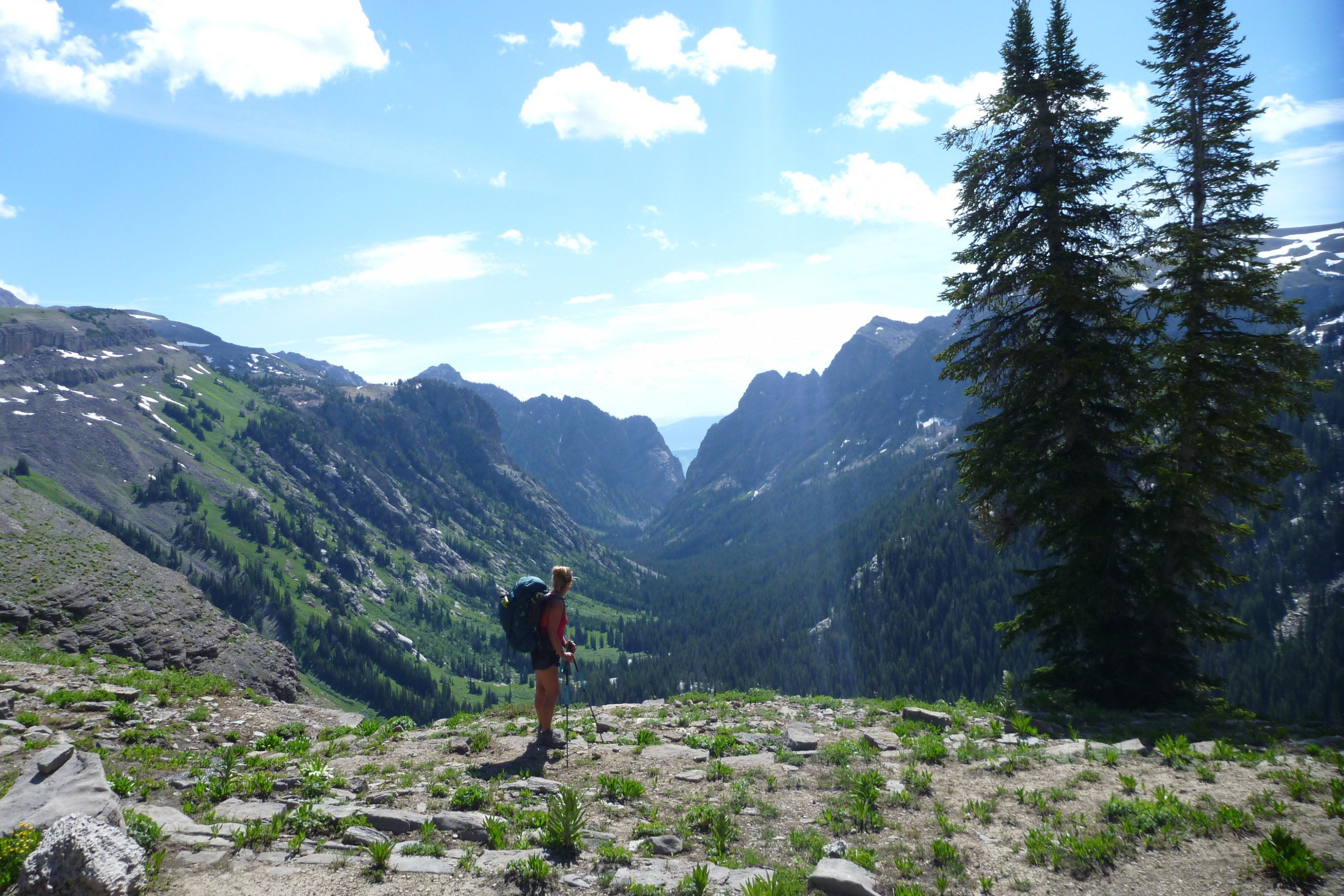
The hike from there was relatively easy as the trail went along the plateau and only towards the end would we have some ups and downs to Marion Lake and then into Granite Canyon. The first three days were in very alpine terrain. There are many incredible mountains in the park and the views are just amazing! But most impressive is the Grand Teton. It’s the highest mountain and it felt like no matter how far we hiked and how much the mountains and canyons around us would change as we moved along the Grand Teton would always remain visible.
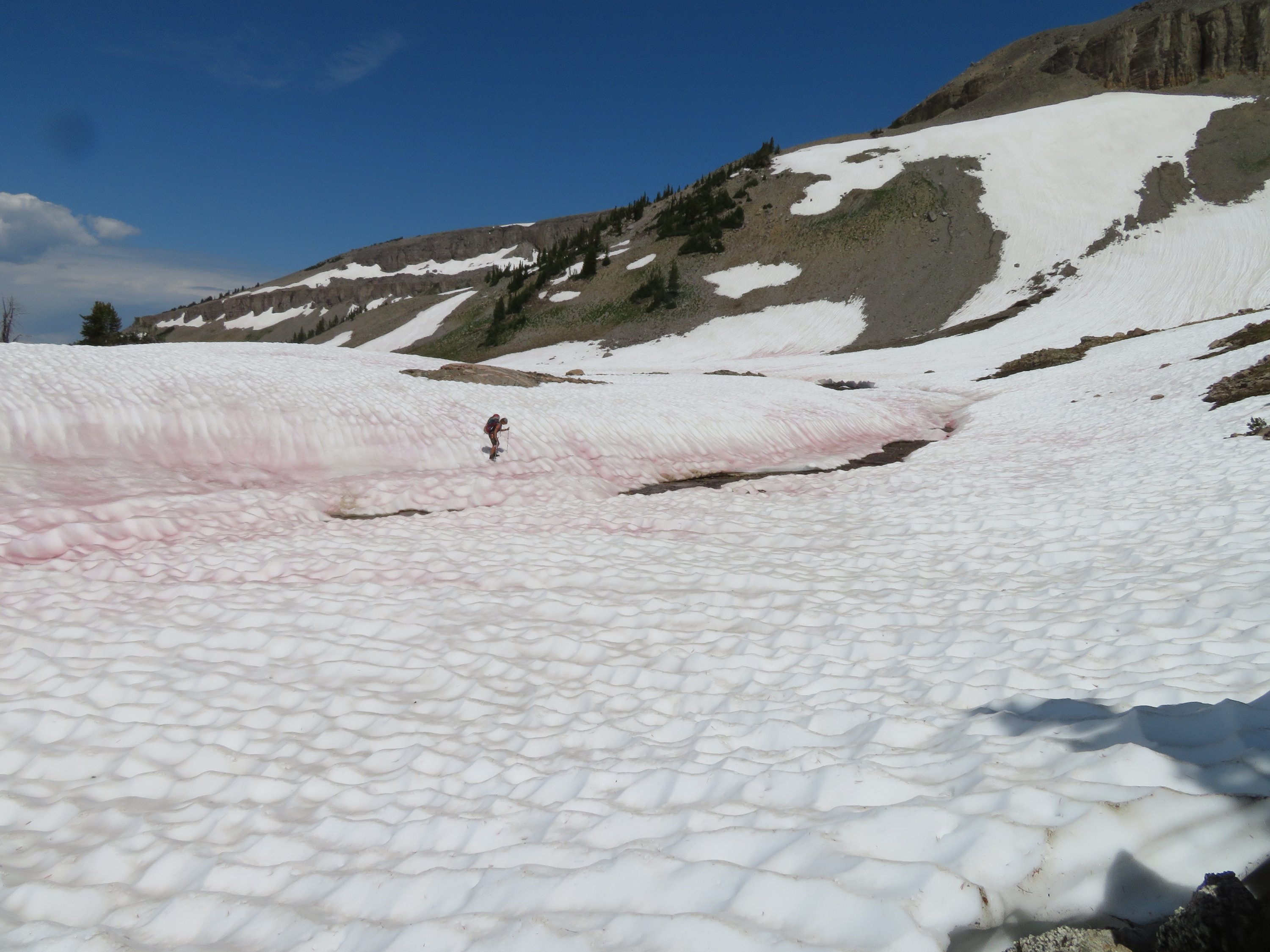
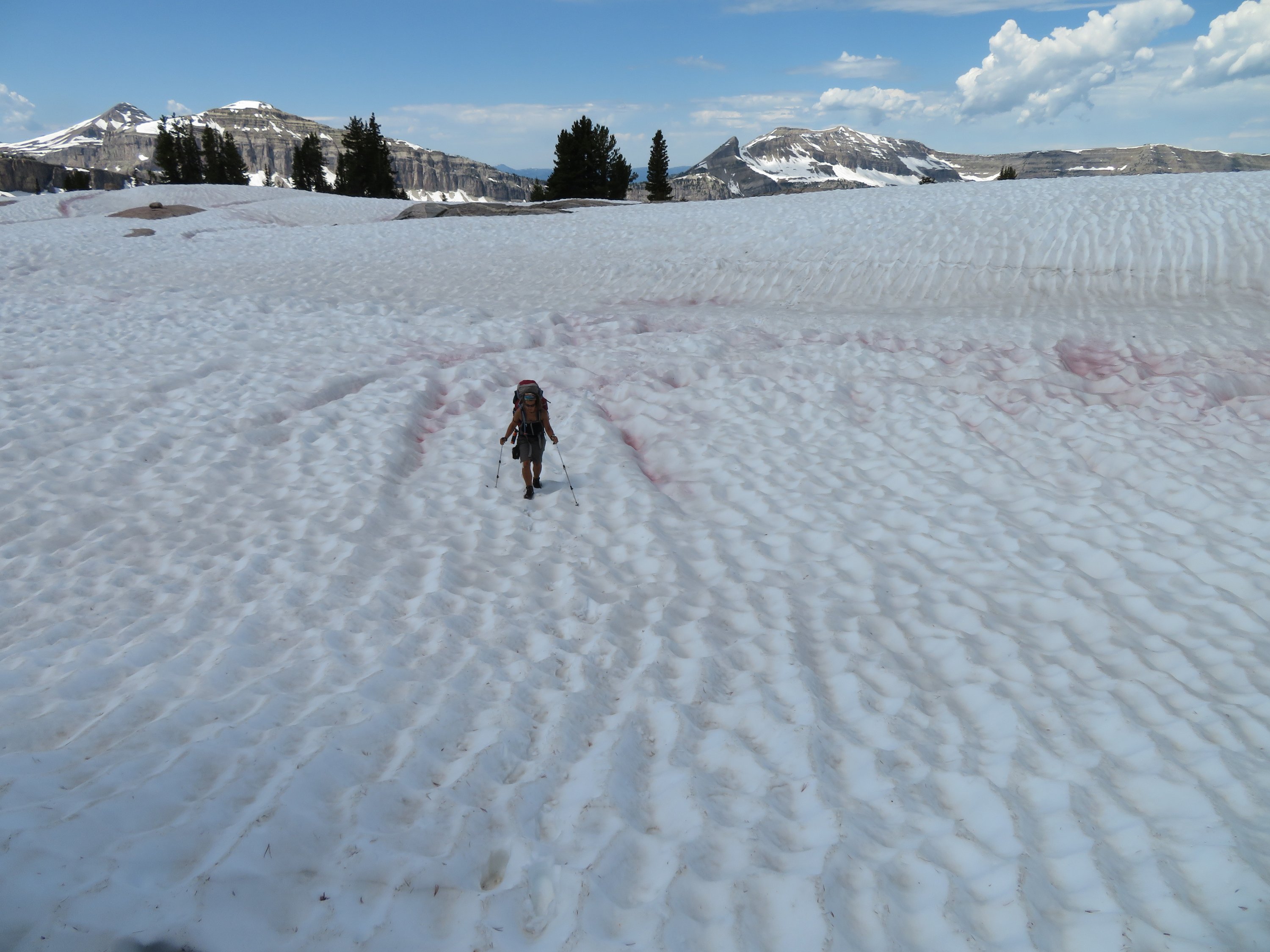

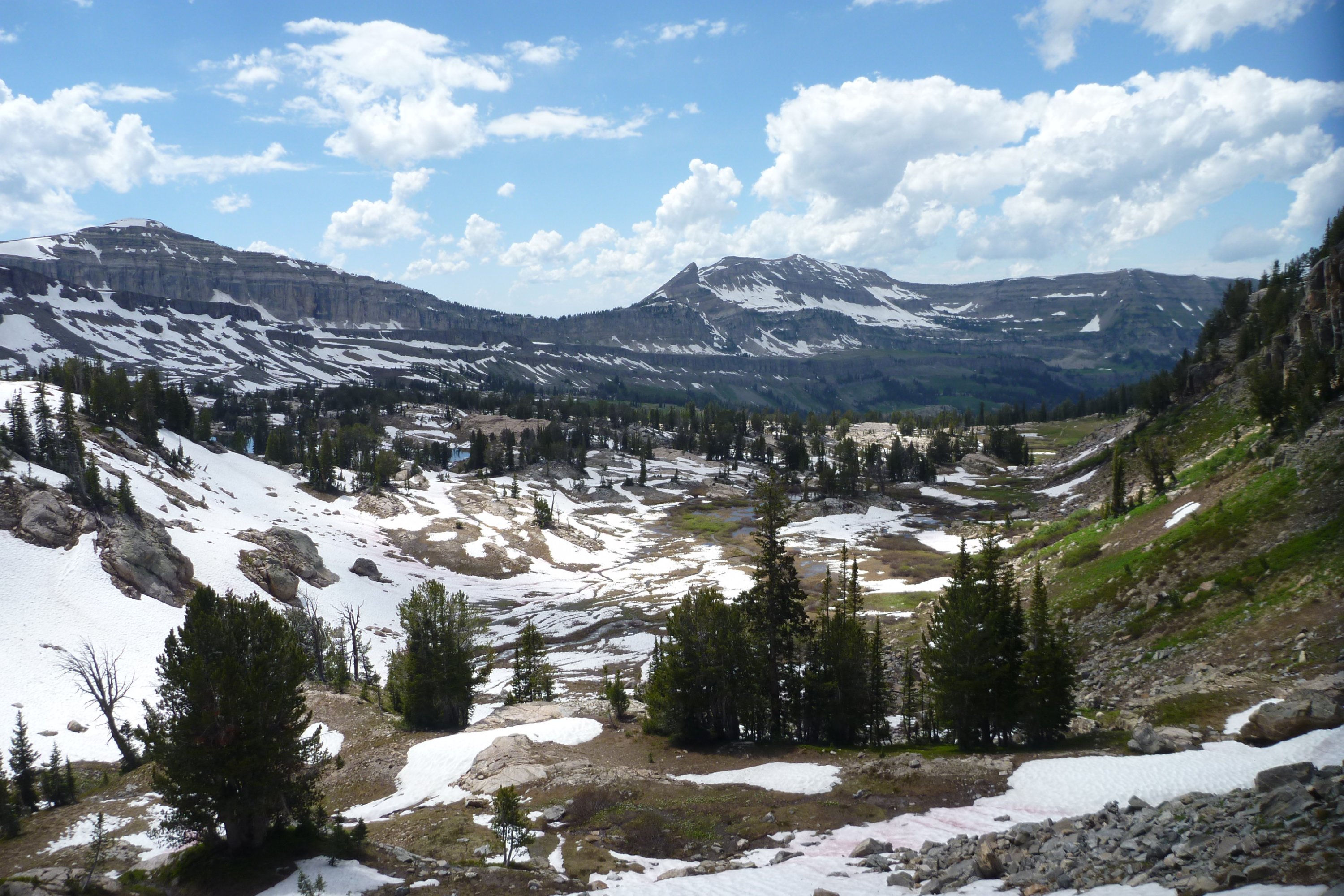
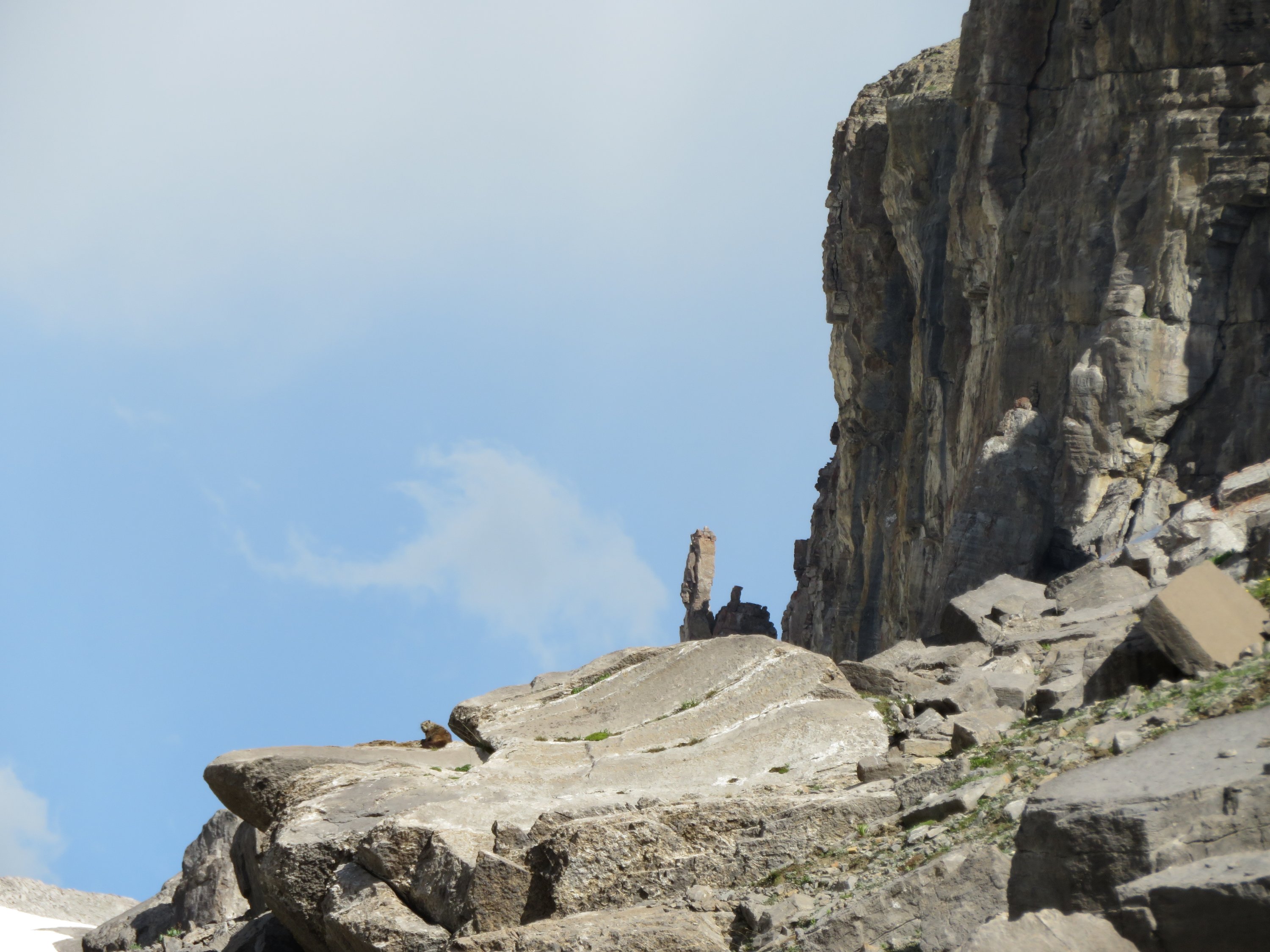

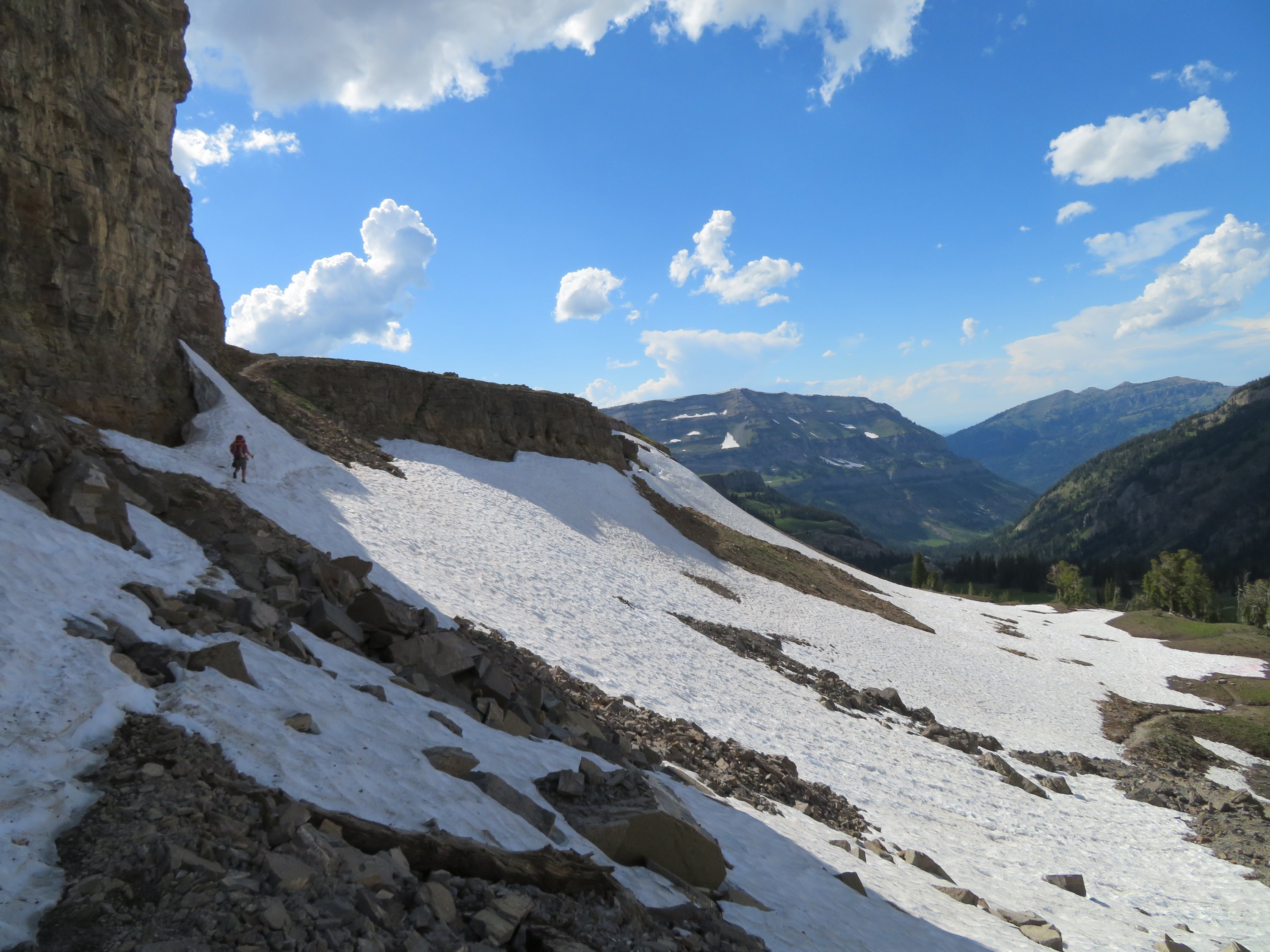
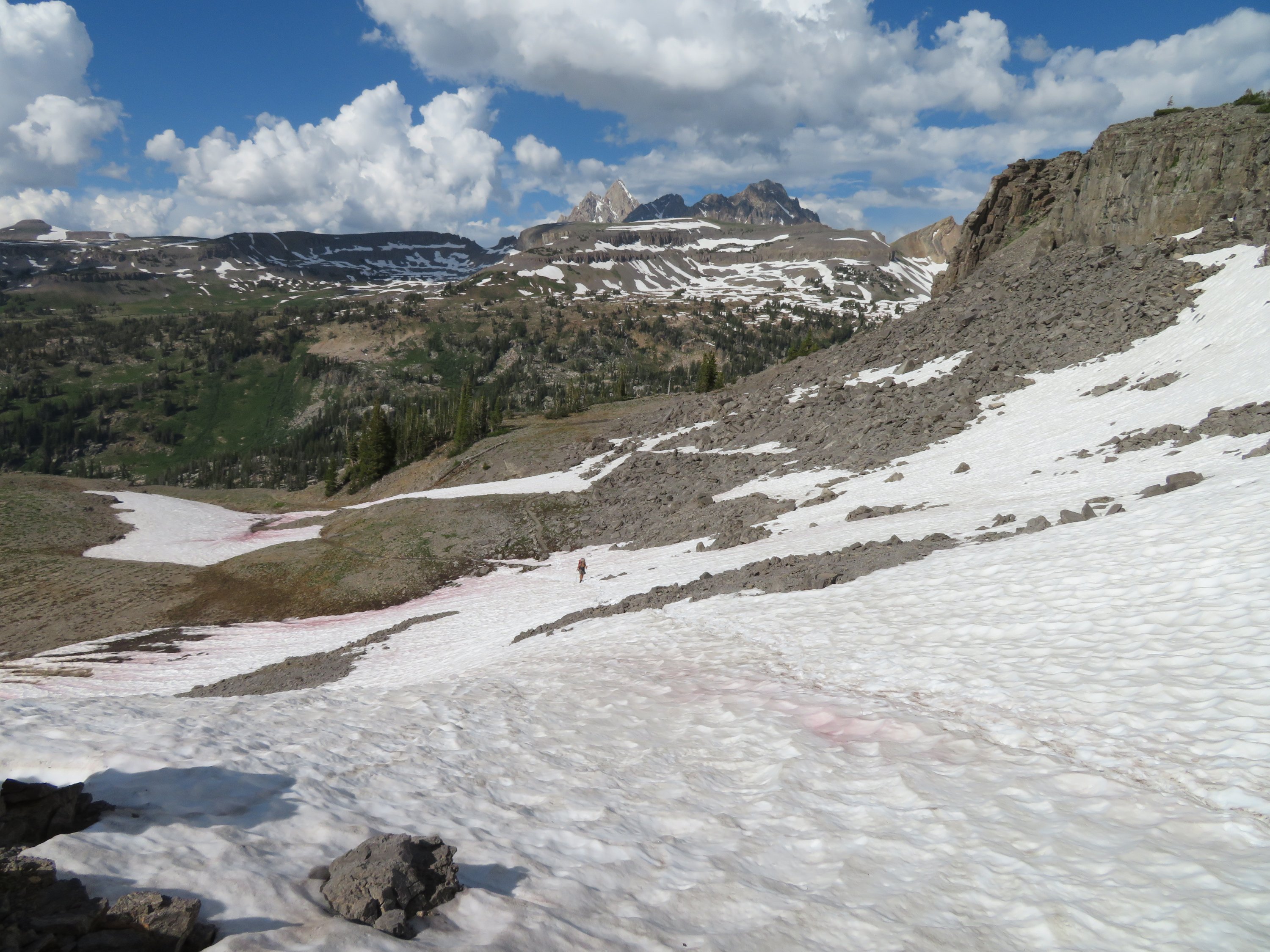
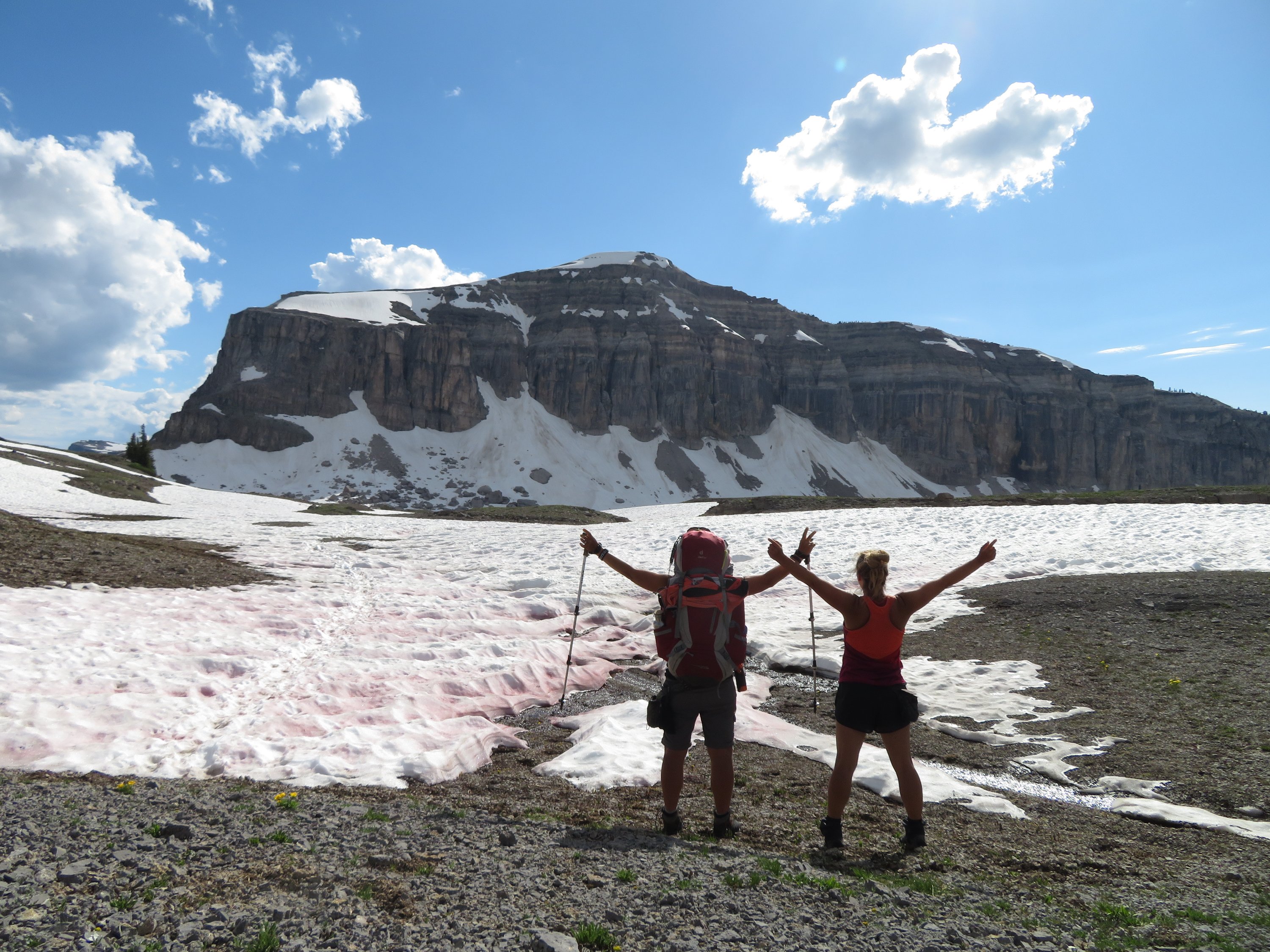


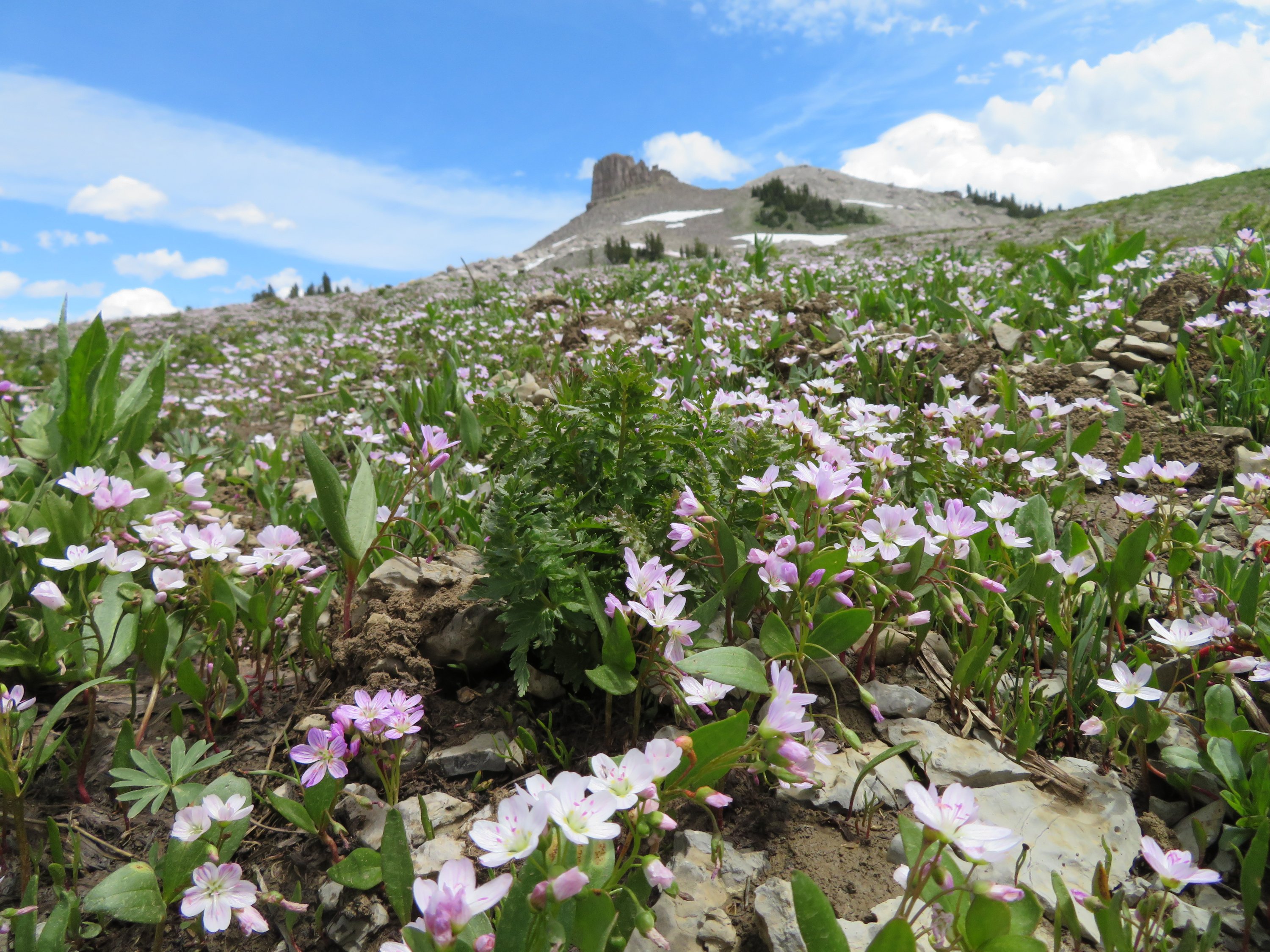
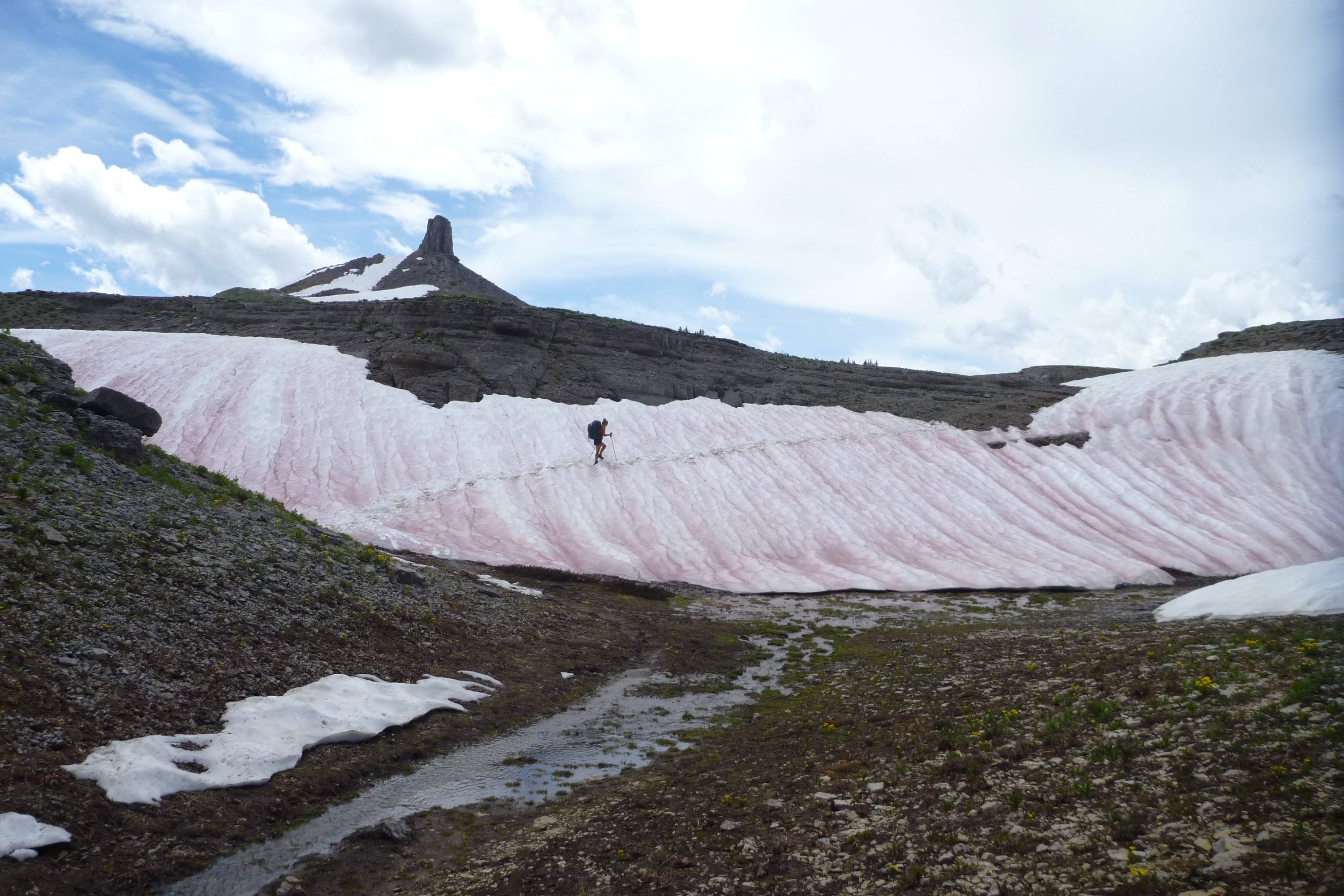
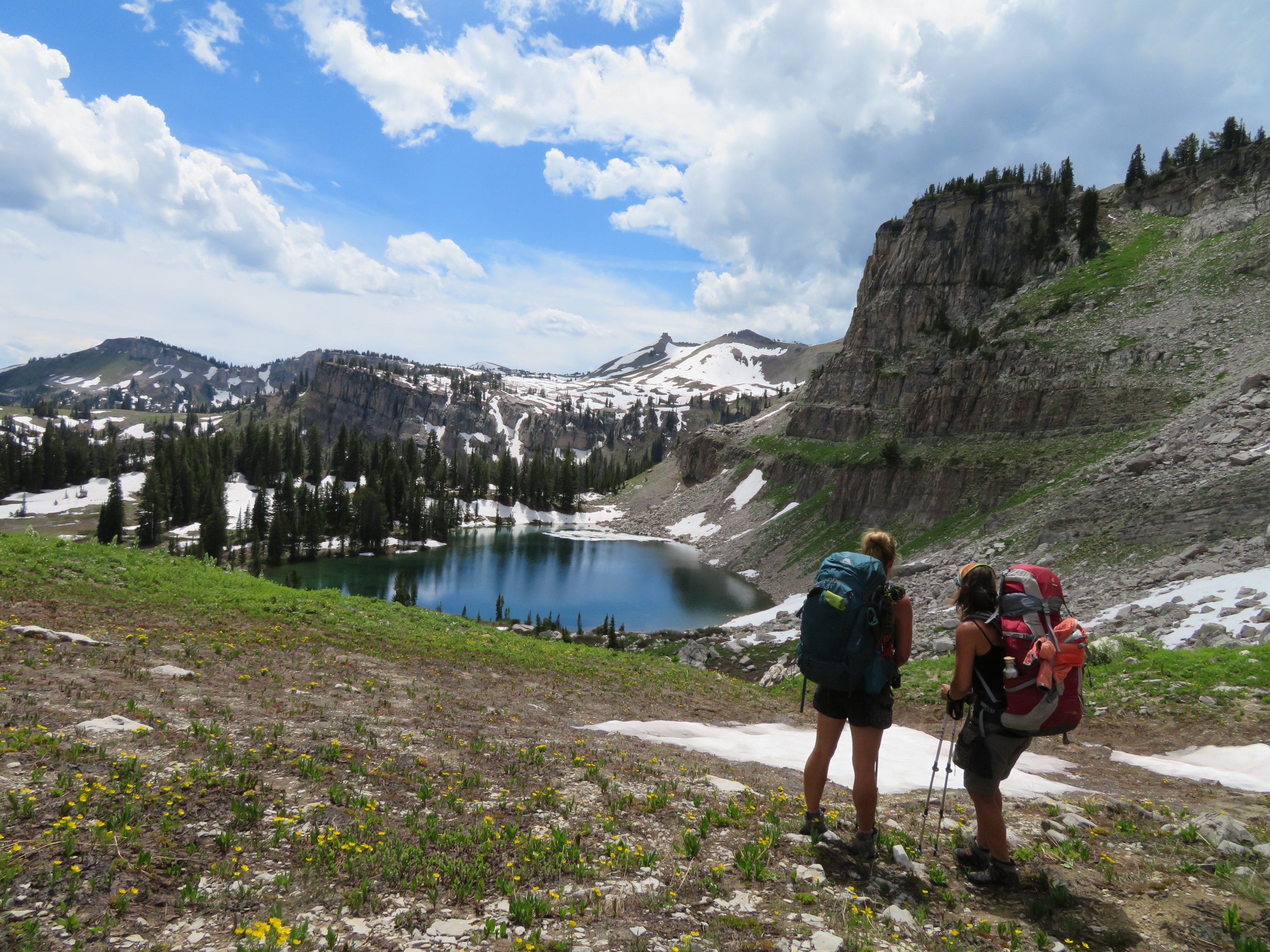
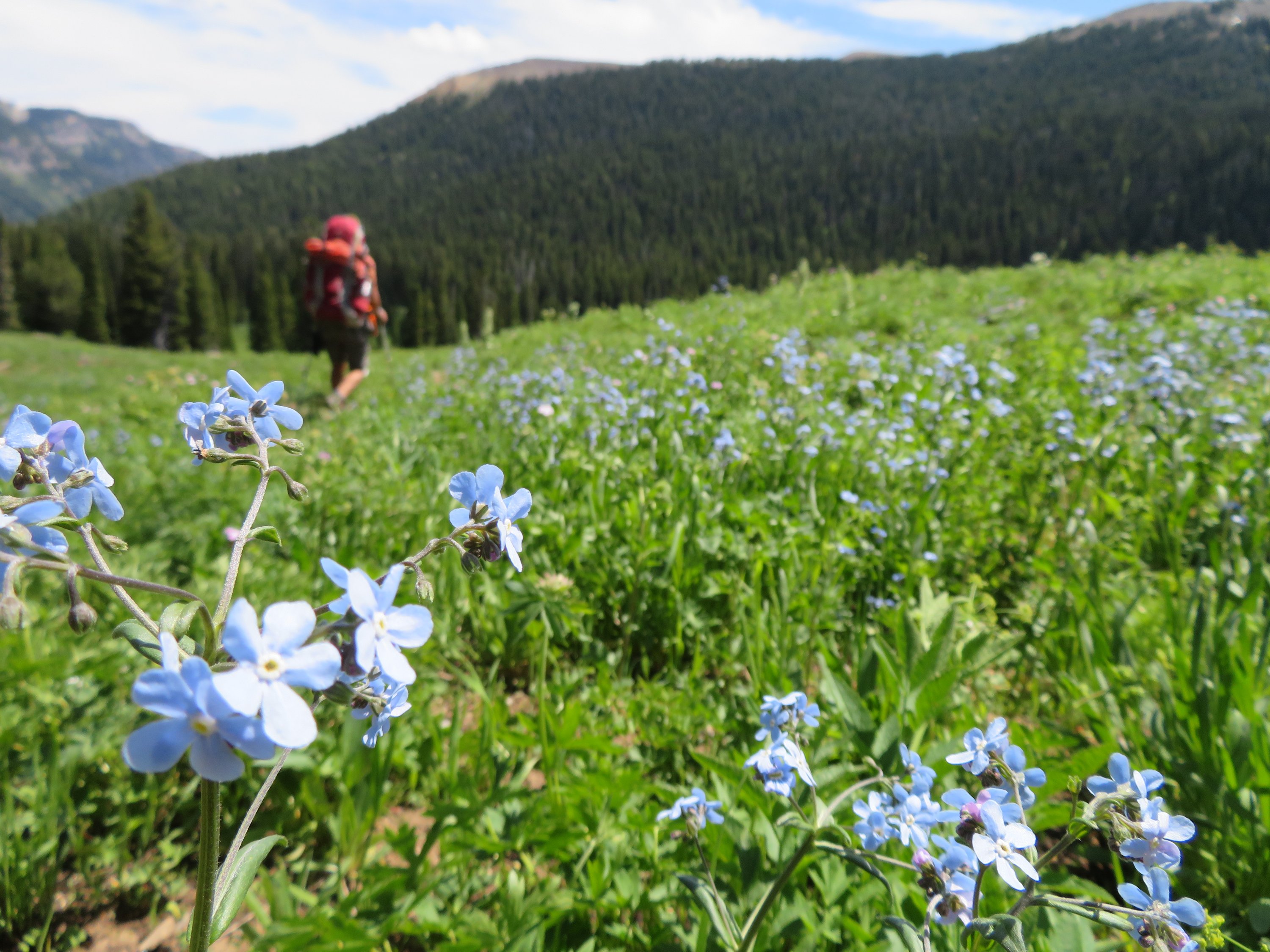
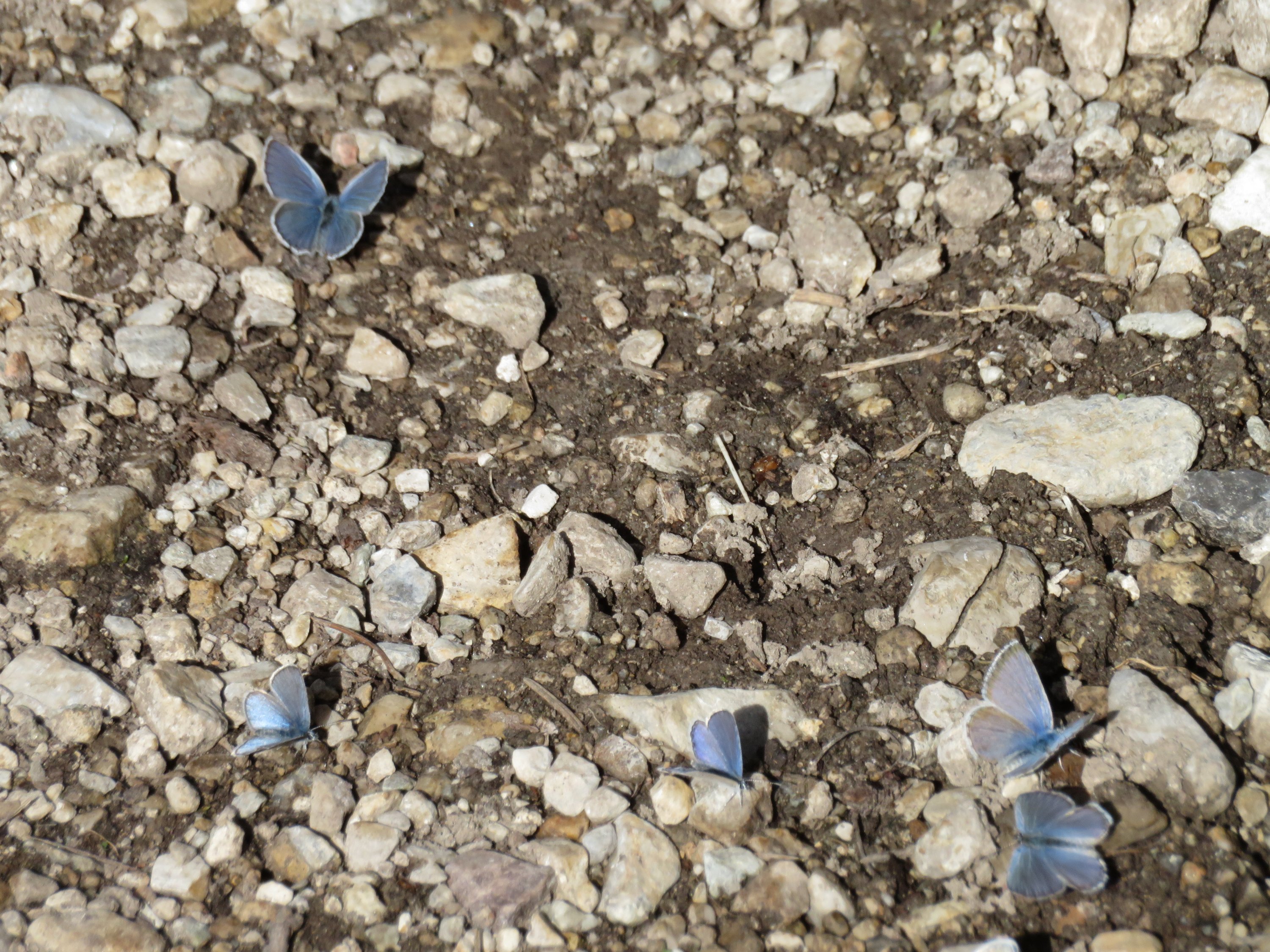
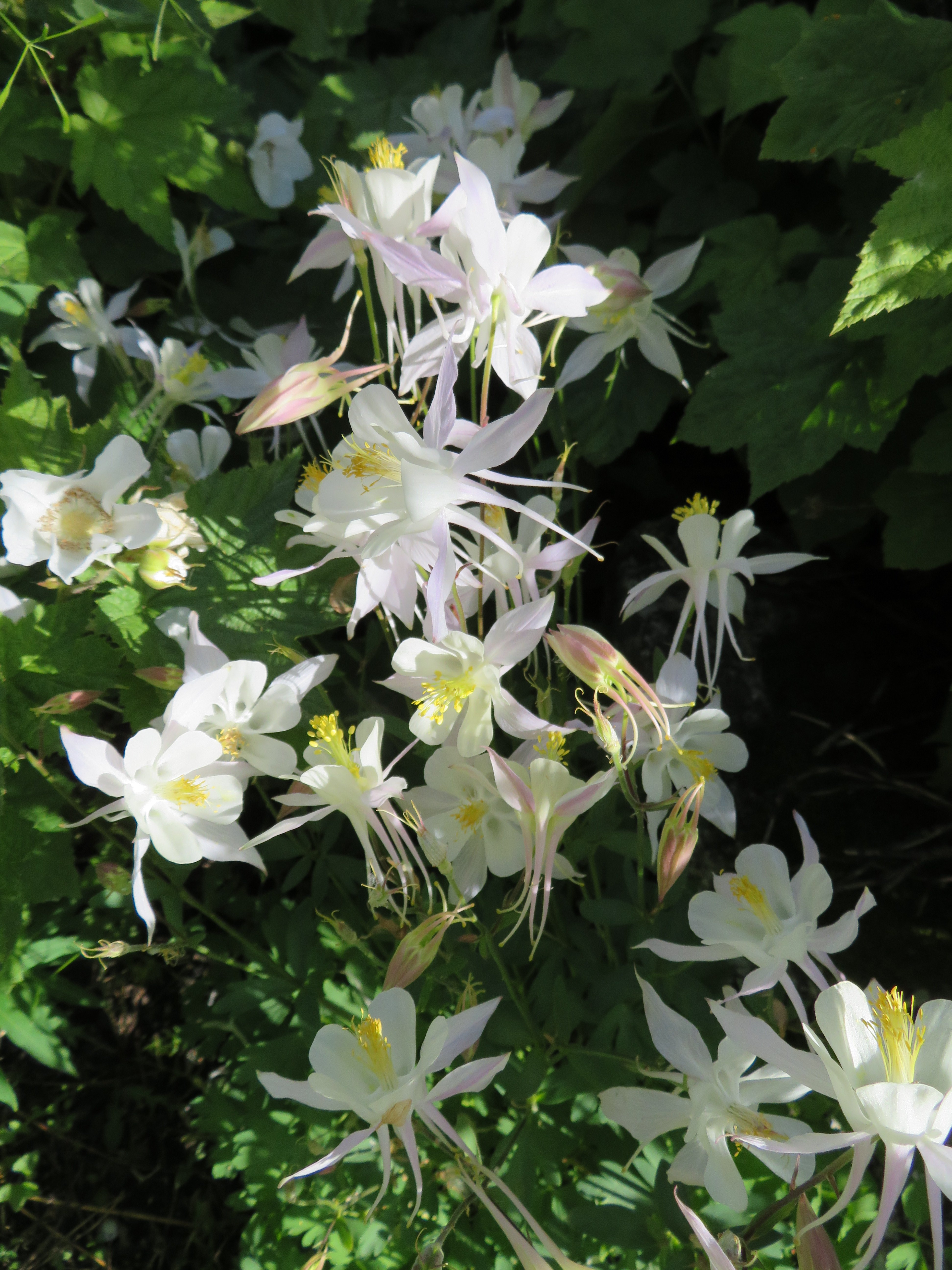
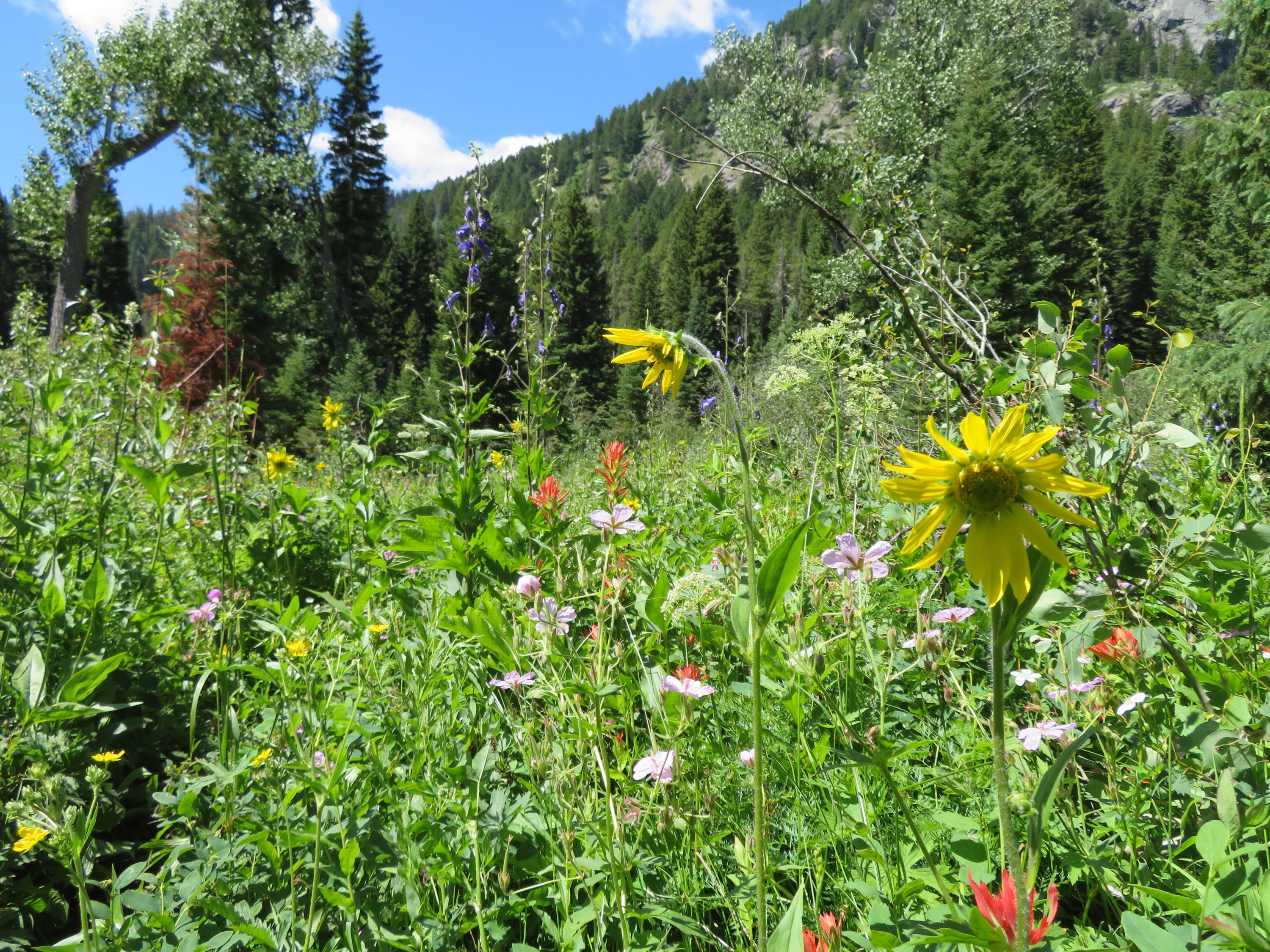
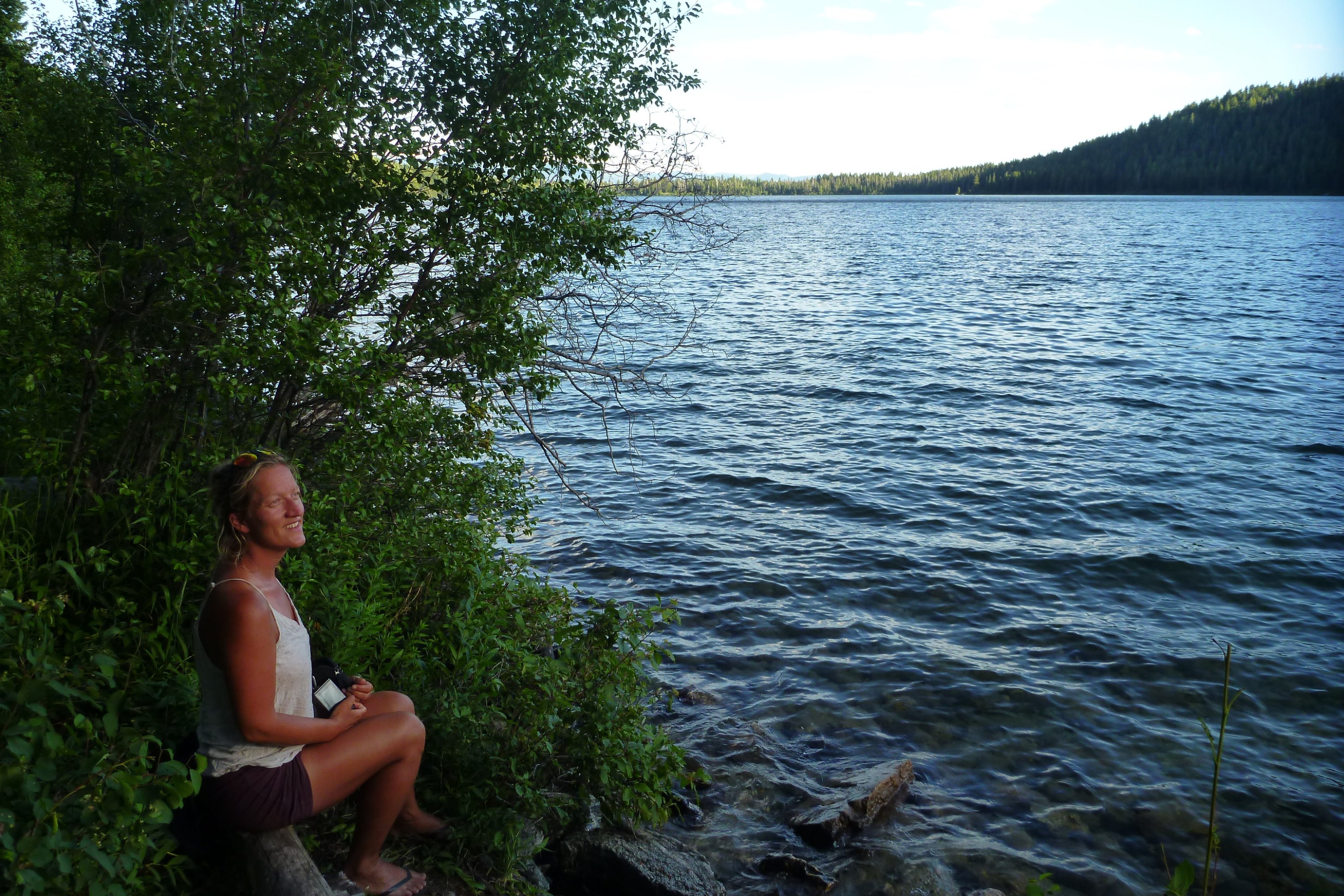
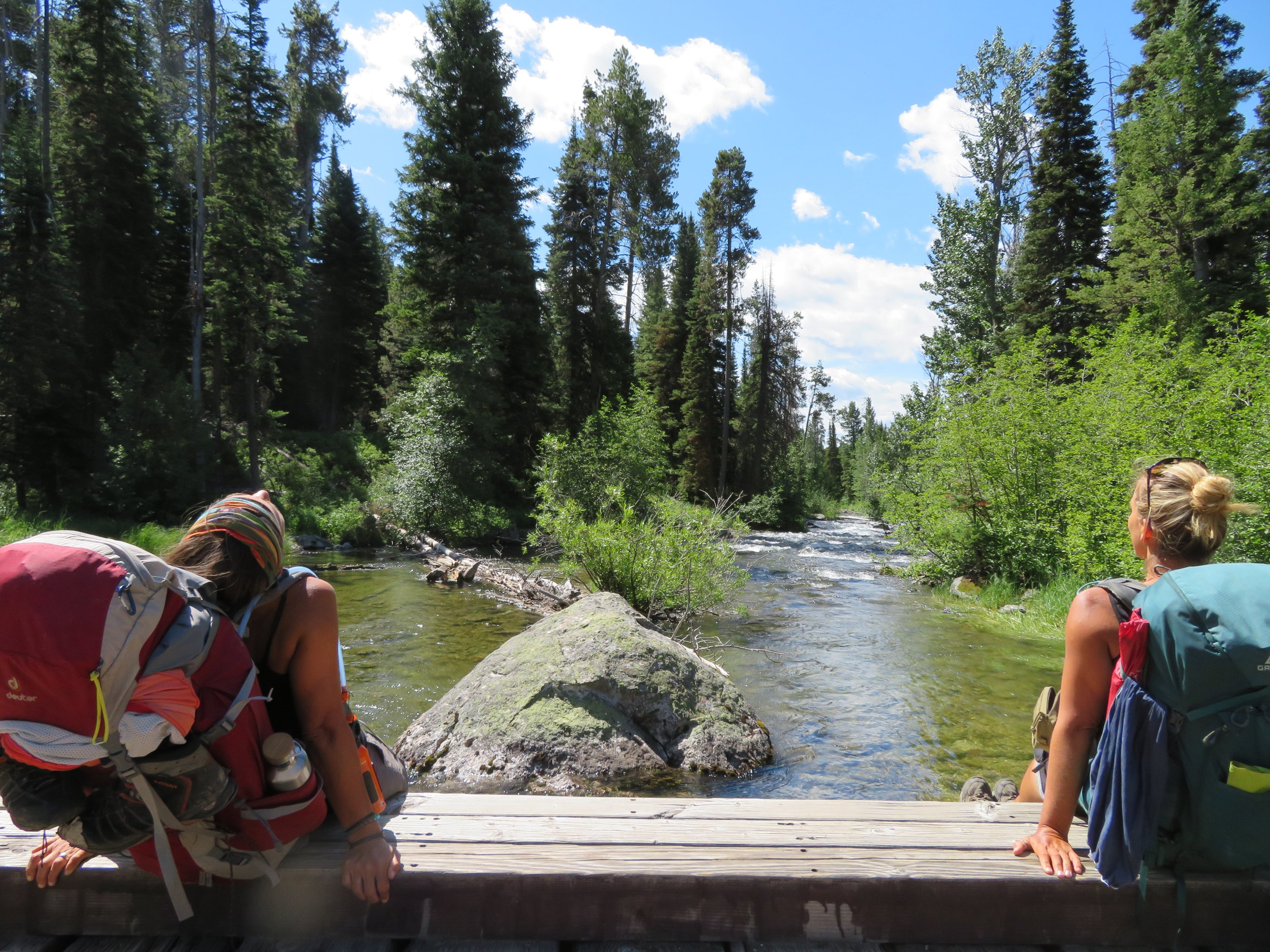
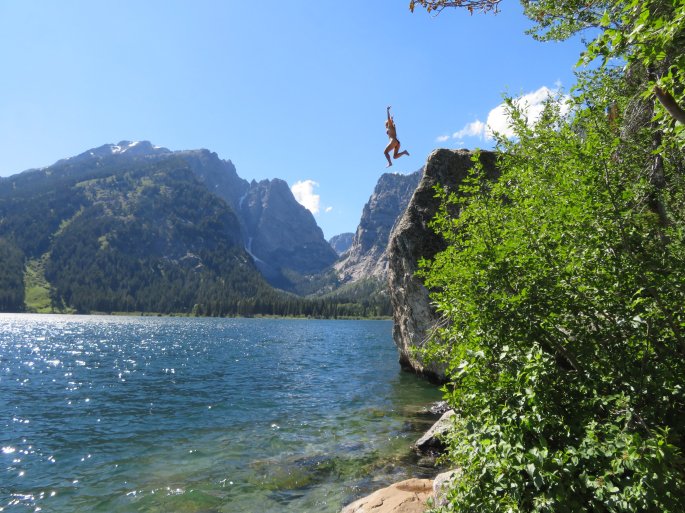
After Marion Lake it was pretty much just a descend down the canyon for which we had two days as we added a night so we could stay our last night at Phelps Lake. The landscape became more luscious again, hiking along Granite Creek through forests and meadows full of wild flowers. And then we finally reached Phelps enjoying a day in the sun…and jumping off a rock at the side of the lake into the cold water. With joy!


——————————————
Manchmal sind die spontanen Entscheidungen die besten Entscheidungen.
Nachdem wir in Dubois geduscht, Wäsche gewaschen und Nachschub eingekauft hatten, wollten wir weiter zu unserer nächsten Wanderung in den Yellowstone NP. Da es keine öffentlichen Verkehrsmittel gab, beschlossen wir per Anhalter zu fahren. Aufgrund der vielen National Parks gibt es hier viele Wanderer. Von daher waren wir zuversichtlich, dass uns jemand mitnehmen würde. Wir bastelten ein großes Schild und begannen der Straße entlang loszulaufen. Jede Menge Autos fuhren vorbei, große SUVs und Pickups, RVs und Trailer, sogar ein alter Cadillac. Aber keiner hielt an oder wurde auch nur langsamer. Bis das kleinste Auto von allen vorbeifuhr, anhielt und uns mitnahm. So lernten wir Michael und Janice kennen. Sie räumten ihren Rücksitz frei und wir quetschten uns mit unseren riesigen Rucksäcken hinein. Und erfuhren ziemlich schnell, dass sie im Teton NP arbeiteten und auf dem Weg dahin waren. Als sie uns vom Park erzählten, waren wir sofort fasziniert und haben spontan beschlossen zuerst dorthin zu fahren und dann in den Yellowstone. Und so setzten uns Michael und Janice eine Stunde später an der Ranger Station im Park ab. Da angekommen erzählten wir dem Ranger, dass wir uns gerade erst entschlossen und daher weder Karten noch eine Ahnung hatten, was erwarten könnte. Aber dafür hätten wir Essen für mindestens sieben bis acht Tage dabei. Cody, der Ranger, war super nett. Er sagte uns, dass wir genau richtig waren und half uns eine Route für eine Woche zu planen. Was mit berücksichtigte, dass in einigen Bereichen des Parks noch ziemlich viel Schnee lag. Und dass wir eine Erlaubnis fürs Campen bräuchten, wofür sie ein paar Gebiete ausgewiesen haben und wo sie nur einer kleinen Anzahl von Menschen jede Nacht erlauben zu übernachten. Aber dann hatten wir es endlich geschafft und konnten die nächste Wanderung starten. Nur war es im Park auch Voraussetzung das Essen, Hygieneartikel und Abfälle in Bärenkanistern aufzubewahren! Wir nahmen uns jeder einen und wussten sofort, dass nicht alles hereinpassen würde….da wir jede Menge Obst und Gemüse als unseren hauptsächlichen Luxus mit dabei hatten. Was also tun? Ideen, wie alles sofort aufessen oder zu verschenken, waren natürlich nicht hilfreich. Also beschlossen wir einfach, dass wir es einfach irgendwie schaffen würden.
Als wir die Ranger Station endlich verließen, verdrückten wir bereits die erste Tüte Möhren, verteilten Snacks auf dem Boot, mit dem wir den See überquerten und machten später noch eine Pause, um noch mehr Vorräte zu vertilgen. Aber wir haben es nicht bis zum Abend geschafft, trotz eines riesigen Abendessen, was wir gekocht haben. Wir haben die Bärenkanister vollgestopft und es riskiert alle nicht riechenden Lebensmittel und Dinge wie Zahnpasta im Rucksack zu lassen. Erst am dritten Tag ist es uns gelungen alles in die Kanister zu quetschen. Zumindest Essen und Abfälle. Ich nehme mal an, das heißt entweder, dass wir zu viel Essen dabei haben, was tatsächlich so ist, oder dass diese Bärenkanister nur für Wanderer konzipiert sind, die Astronautennahrung mitbringen. Die meisten Wanderer können natürlich besser planen, da sie mit dem Auto in den Park kommen und dann für die Wanderung nur die benötigte Ausrüstung und Essen für die Anzahl der Wandertage einpacken. Welche in der Regel weniger sind, als was wir geplant hatten. Außerdem müssen wir alles mitnehmen, können also nichts zurücklassen an Ausrüstung, Essen und allem was wir sonst noch für unsere lange Reise dabei haben. Und diesmal eben noch zusätzlich zwei sperrige Bärenkanister.
Voll ausgestattet mit Bärenkanistern, Bärenspray, Bärenglocke und Essen für mindestens sieben Tage machten wir uns endlich auf den Weg. Am Anfang fühlte es sich so an, als müssten wir uns durch Touristenhorden schlängeln, da es gerade Hauptsaison ist. Aber nach ein paar touristischen Orten, wie einem Wasserfall und Aussichtspunkt, ließen wir die schnell hinter uns und stiegen den ersten Canyon hinauf. Im allgemeinen haben wir auf dieser Wanderung mehr Menschen getroffen als im Wind River. An einigen Tagen mehr als an anderen. Aber trotzdem war es extrem abgelegen und wild. Wir verbrachten sieben Tage im Park und der Trail führte uns durch den Cascade Canyon hinauf zum Hurricane Pass. unserem wahrscheinlich schwierigsten Abschnitt, denn als wir uns gerade auf dem Weg zum Pass befanden, kam extrem starker Wind auf und es fing an zu hageln und zu regnen, was sich eiskalt anfühlte und uns ein paar Mal fast umgeweht hat. Aber wir haben es auf den Pass geschafft und zum Glück kam dort dann auch die Sonne wieder heraus. Ich zog mir schnell trockene Sachen an und dann stiegen wir weiter ins Alaska Basin ab, leider wieder mit Wind und Regen. Dort konnten wir dann aber in einer Regenpause bei Abendsonne das Zelt aufbauen und wieder trocken und warm werden. Am nächsten Tag wanderten wir weiter durchs Alaska Basin. Bis dahin war der Schnee machbar gewesen. Als der Ranger sagte, dass es da oben noch ziemlich viel Schnee geben würde, war ich nicht wirklich allzu begeistert. Aber obwohl wir die meisten Tage jede Menge Schneefelder überqueren mussten, war der Schnee hier ganz anders als im Wind River. Nicht so tief und eher verharscht. Das machte das darauf laufen viel einfacher und daher sogar richtig Spaß. Die Herausforderung beim Schnee war diesmal, dass die Schneefelder oft noch so groß waren, dass der Trail dann nicht mehr sichtbar war. Meistens konnten wir den Fußspuren der anderen folgen. Aber ein paar Mal haben wir den Trail verloren und mussten danach suchen. Im Alaska Basin haben wir dann tatsächlich einen Abzweig verpasst und das erst nach einigen Kilometern bemerkt. Statt den ganzen Weg durch die Schneefelder zurück zu gehen, haben wir dann beschlossen eine Abkürzung ins Tal zu nehmen.
Es gab ein paar haarige Momente als wir den Abhang hinunter stiegen, aber wir haben es geschafft und waren endlich wieder auf dem richtigen Weg. Von da aus ging es spannend weiter hinauf zum Mt. Meek Pass. Dort mussten wir vorher die sogenannten Sheep’s Steps, Schafstreppe, passieren, ein sehr steiler Abschnitt, wo der Trail einem sehr schmalen Grad folgt, was dadurch sehr riskant war, weil einige Teile noch mit Schnee bedeckt waren. Danach folgten noch ein paar Schneefelder bevor wir zum Death Shelf gelangten, wo wir die Nacht verbrachten. Von da aus war die Wanderung dann relativ einfach, da der Trail dem Plateau folgte und wir erst zum Ende zum Marion Lake und Granite Canyon noch ein paar Mal hoch und runter mussten. Die ersten drei Tage gingen durch sehr alpines Gelände. Es gibt sehr viele beeindruckende Berge im Park und die Aussichten sind unbeschreiblich. Aber am eindrucksvollsten ist einfach der Grand Teton. Es ist der höchste Berg und es fühlte sich so an, dass egal wie weit wir gewandert sind und wie sehr sich die Berge und Canyons um uns herum verändert haben, dass der Grand Teton immer sichtbar blieb.
Nach dem Marion Lake kam eigentlich nur noch der Abstieg durch den Canyon. Wofür wir allerdings zwei Tage Zeit hatten, da wir noch eine Nacht hinzugefügt hatten, damit wir die letzte Nacht am Phelps Lake verbringen konnten. Die Landschaft würde wieder üppiger, als wir entlang des Granite Creek durch Wälder und Wiesen voller Wildblumen wanderten. Und dann erreichten wir endlich Phelps Lake und genossen einen Tag in der Sonne…und sprangen von einem Fels am Rande des Sees ins kalte Wasser. Vor Freude!

 WILDWONDER